
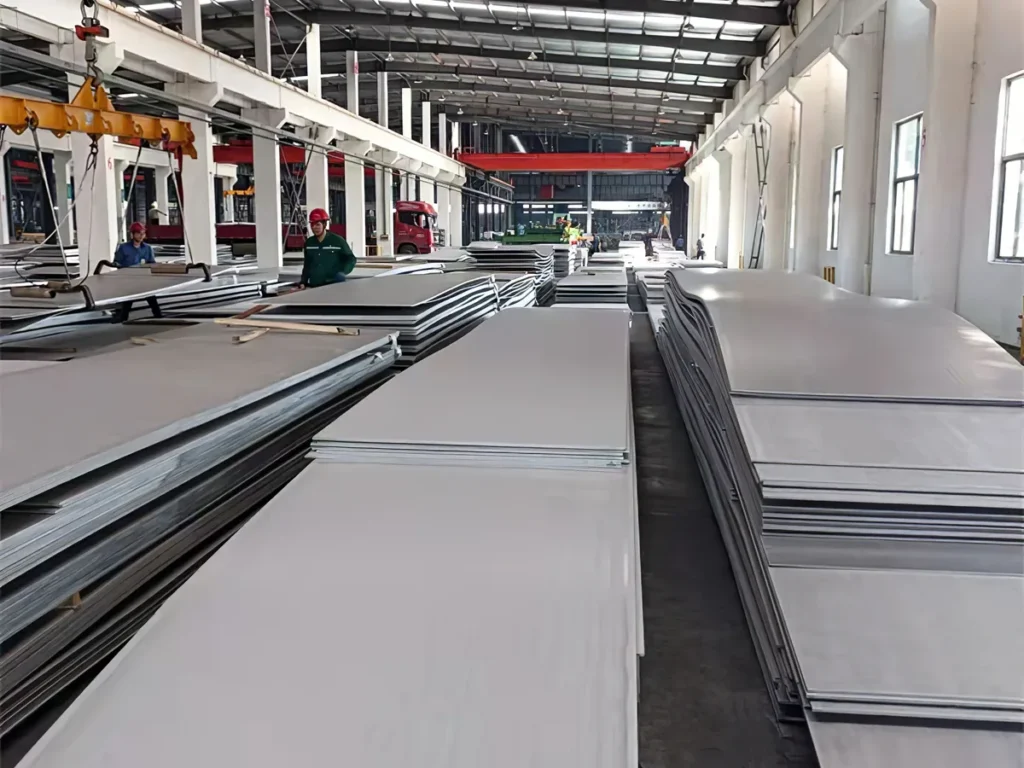
304 Stainless Steel Plate Supplier
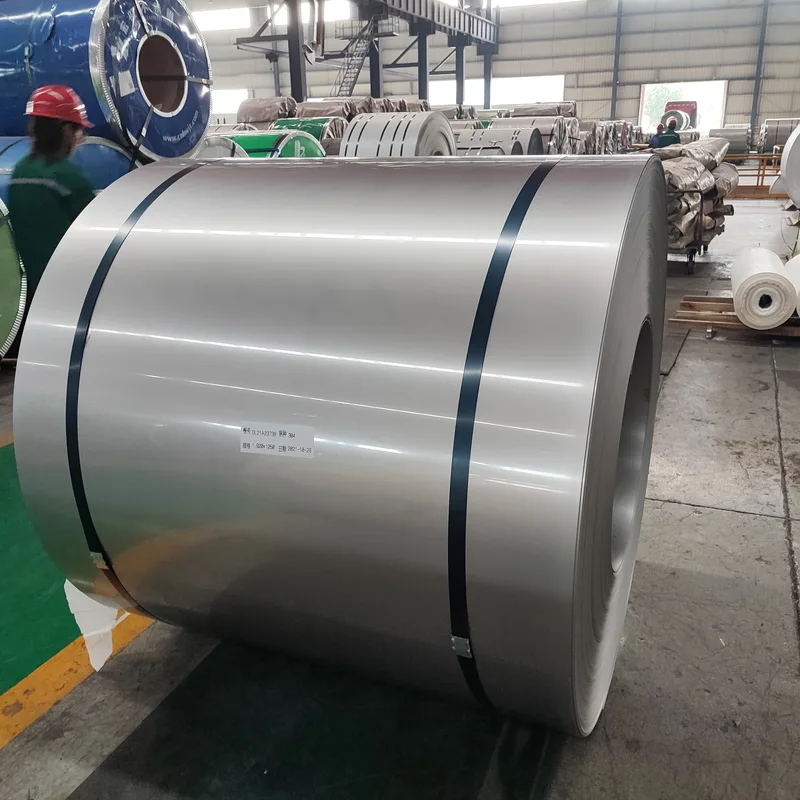
Hot rolled 304/304L and 304H stainless steel plate. Cut-to-length plate from 3mm to 16mm (up to 20mm on request), and mill plate from 6mm up to 150mm thick. Full plates or cut blanks for tanks, vessels and heavy frames.

Cut to length on our own lines up to 12000mm; laser, plasma and waterjet cutting to your drawing
Dual-certified 304/304L to ASTM A240 and ASME SA240
Standard sizes 1500×6000mm and 2000×6000mm; mill plate up to 3500mm wide
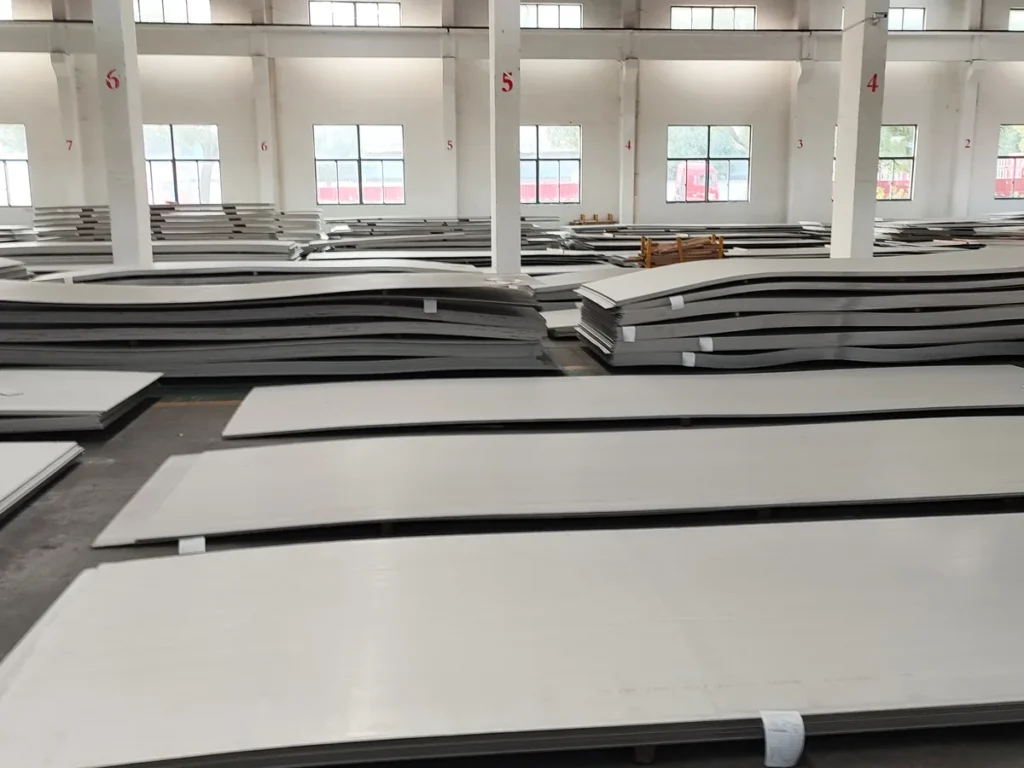
Mixed loads of 304 stainless steel sheet & plate in one container, from our 4,500 tons of stainless sheet and plate stock (out of 80,000 tons in total) in Wuxi
Why Order 304 Plate From MTS
01
Plates Cut to Your Nesting Plan
Send us your part list or DXF files. Our 6 kW fiber laser cuts tank floors, flanges and gussets from full plates up to 10mm thick, and we cut thicker plate by plasma or waterjet. Our cut-to-length lines cut 3–16mm plate (up to 20mm on request) to any length up to 12000mm. You receive parts, numbered to your list.
02
Low Carbon for Welded Work
Our 304 plate is supplied as 304/304L dual grade. Carbon stays at or below 0.030%. You can weld thick sections without weld decay, and still use 304 design strength.
03
Measured After Each Process
We check dimensions after every processing step, with calipers, tape and CMM. You get the mill certificate plus our processing report, so you know the size and weight you pay for.
04
Sheet and Plate on One Order
Need 2mm cladding and 12mm base plates for the same project? We pack 304 stainless steel sheet & plate in one container. One supplier, one inspection, one set of documents.
05
Processed and Loaded in Wuxi
We process up to 100,000 tons a month and hold 80,000 tons in our Wuxi warehouses, which cover 60,000 m². Our own cranes load the container, and we ship from Shanghai, Qingdao or Tianjin in 8–12 working days.
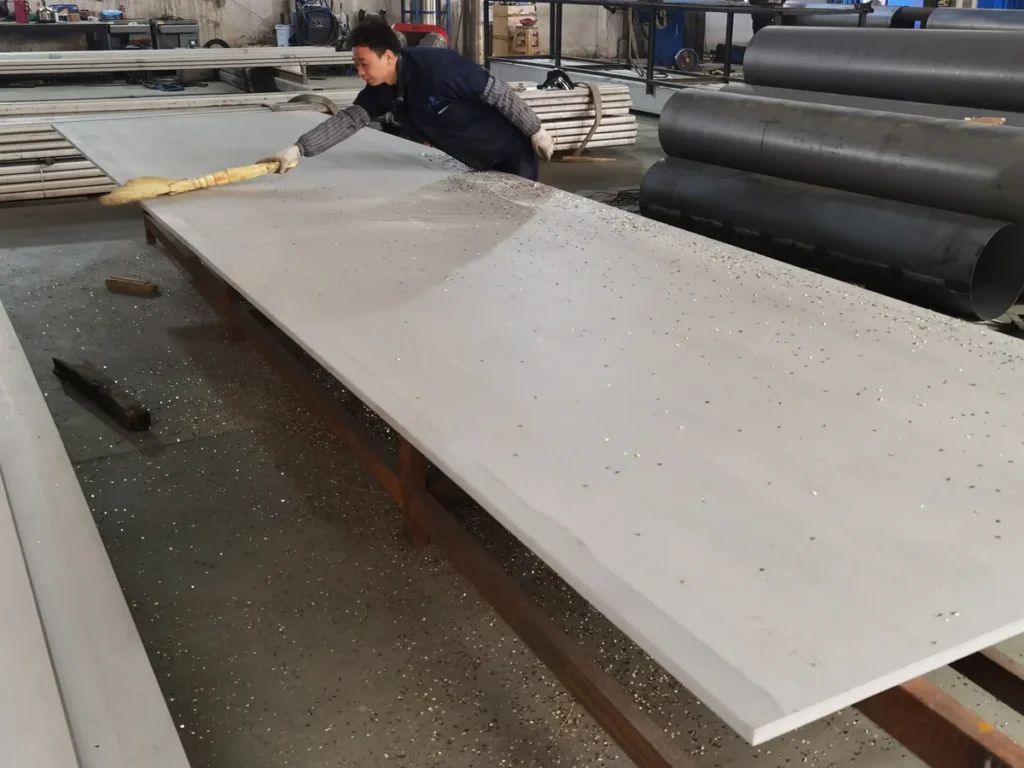
304 Plate for Process Tanks and Equipment
Request a Quote304 Stainless Steel Plate Types
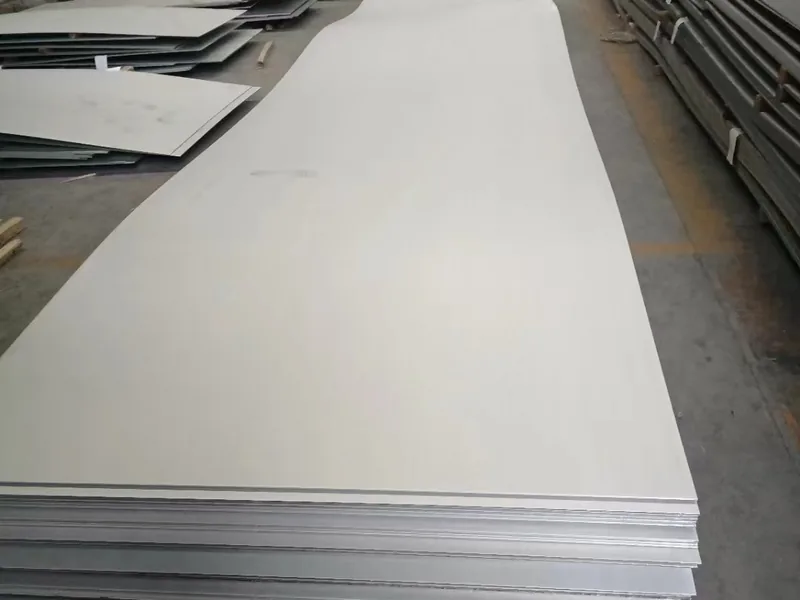
304/304L Dual-Certified Plate
The standard for tanks, vessels and welded frames. One plate meets both grades, so one stock item covers both drawings. Example: 304/304L plate, 10mm, 1500×6000mm.
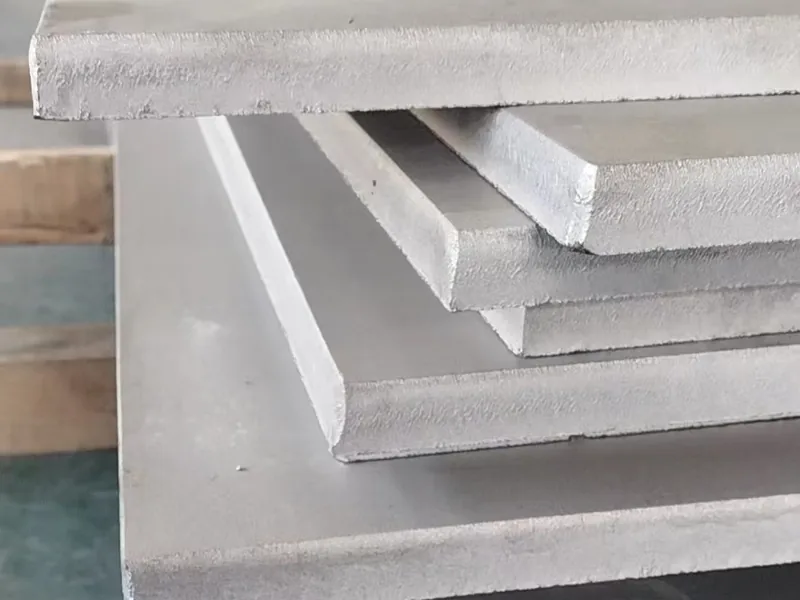
304H High-Temperature Plate
Controlled carbon of 0.04–0.10% for strength above about 500°C. Used in boiler parts, heat exchangers and furnace frames.
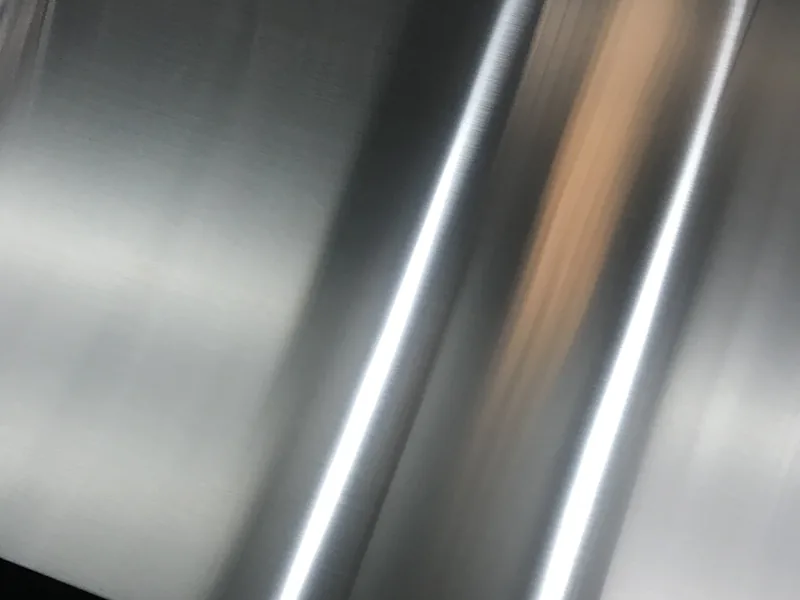
304 Plate With No.4 One Side
Hot rolled plate brushed on one side for visible or product-contact faces. Common for tank walls and food machinery bases.
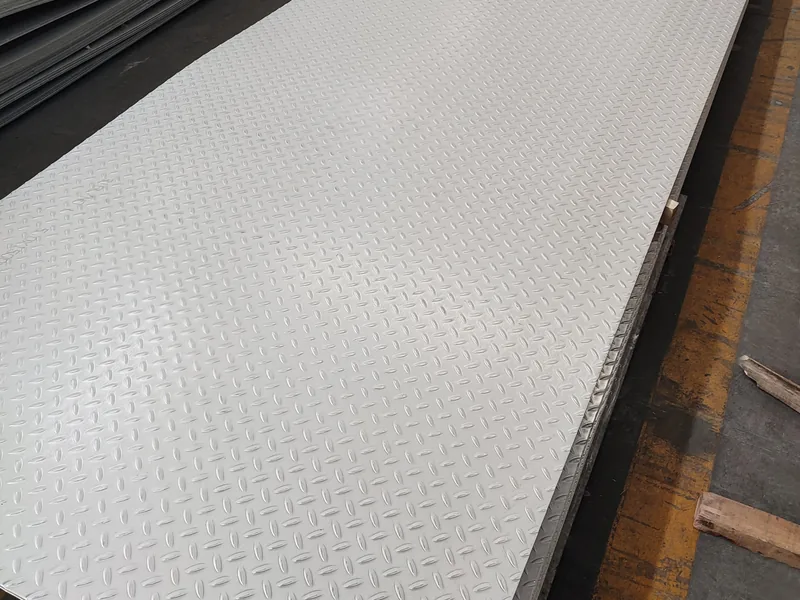
304 Checkered Plate
Raised pattern for walkways, platforms and stair treads in food and chemical plants. 2–6mm thick.
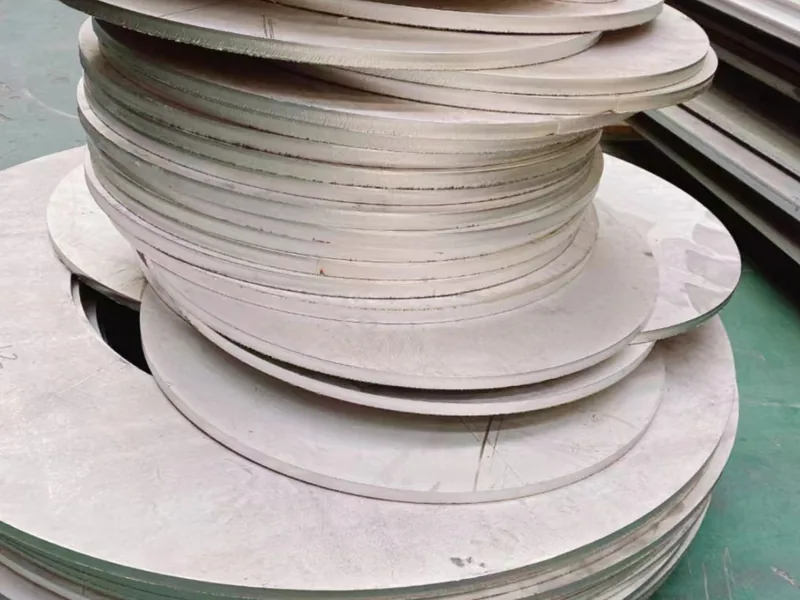
304 Cut Blanks, Rings and Flanges
Parts cut from 304 plate to your drawing, by fiber laser up to 10mm and by plasma or waterjet on thicker plate. You pay for the parts, not the offcuts.
Need thinner gauges or a 2B finish? See our 304 Stainless Steel Sheet.
304 Plate Specifications
Buying 304 Plate for Welded Equipment: A Practical Guide
304 is the default plate for welded tanks and frames. It is easy to weld, easy to source and costs far less than 316. Problems start when the grade, the welding or the environment does not match. Here is how to avoid them.
304, 304L or 304H Plate
Welding Thick 304 Plate
When 304 Plate Is the Wrong Choice
SUS 304 Plate and Other Standard Names
What Drives the 304 Stainless Steel Plate Price
Frequently Asked Questions
What is the SS 304 plate price per ton?
The price depends on thickness, plate size, quantity and the current nickel price. Cutting and other work are extra. Plates above 50mm or wider than 2000mm usually cost more per ton. Send us your sizes and tonnage. We will quote a current price per ton or per kg within 2–4 working hours, valid for 3 days.
Is SUS 304 plate the same as ASTM A240 304 plate?
They are the same grade family under different standards. SUS 304 follows JIS G4304, and 304 follows ASTM A240. Most chemistry and strength limits overlap. If your drawing names one standard, we certify to that standard.
What is the standard size of 304 stainless steel plate?
The most common sizes are 1500×6000mm and 2000×6000mm. Cut-to-length plate also comes in 1219×2438mm (4x8 ft) and 1500×3000mm, or in any length up to 12000mm. We also cut parts directly from your drawing.
Can I order 304 plate thinner than 6mm?
Yes. Our hot rolled cut-to-length plate starts at 3mm, with a No.1 finish. Below 3mm, or if you need a 2B or BA surface, order 304 sheet, cold rolled from 0.27mm. You can order sheet and plate together in one container.
Do I need 304L or 304 plate for a water tank?
For a welded water tank, order 304/304L dual-certified plate. It welds without weld decay and keeps 304 strength values. Check the chloride level first. Water with high chloride, such as some well water, may need 316L.
Can you supply 304 plate with an inspection certificate for food equipment?
Yes. Each plate comes with an EN 10204 3.1 mill certificate. We can add PMI testing and third-party inspection on request. Food-contact compliance depends on your final surface and your local rules, so check those with your customer.
Related Products
Request a Quote
We reply within 2–4 working hours with a price per ton, valid for 3 days.