
Stainless Steel Plate Supplier
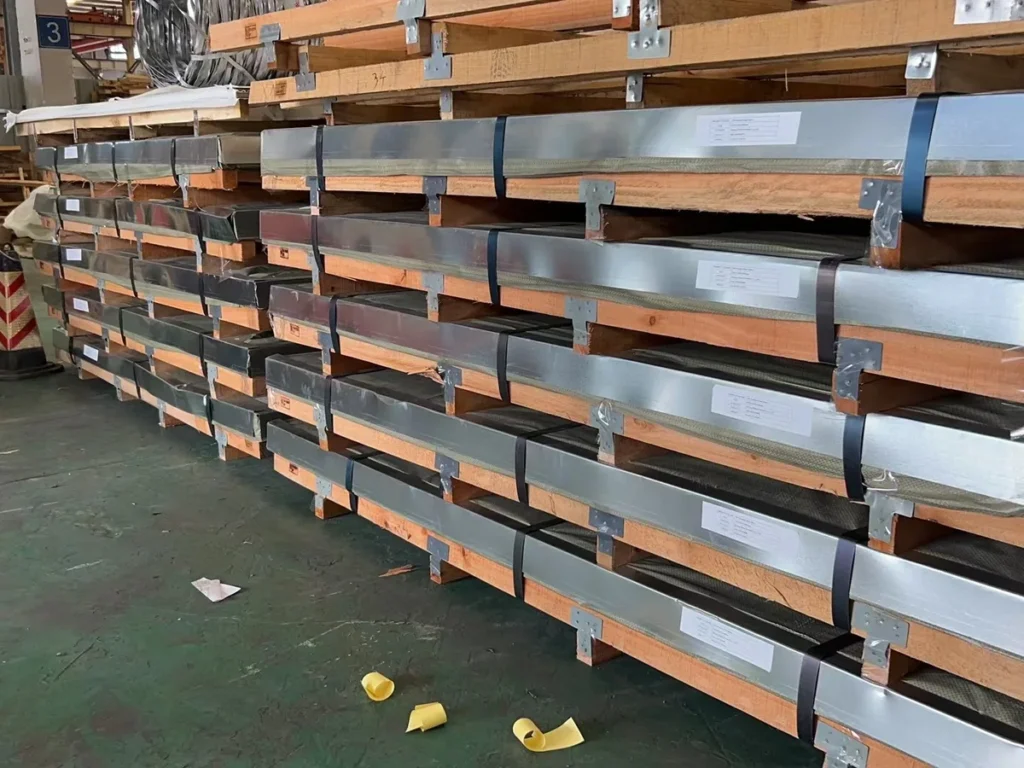
Hot rolled stainless steel metal plate in 304/304L, 316L, 321, 316Ti and duplex grades. Cut-to-length plate from 3mm to 16mm (up to 20mm on request), and mill plate from 6mm up to 150mm, in widths up to 3500mm. Supplied as full plates or cut to your drawing on our own lines in Wuxi.

Cut to length on our own lines: 3–16mm thick (up to 20mm on request), up to 2000mm wide and 12000mm long
Mill plate 6–150mm in 304 grades, 6–80mm in 316, 316L, 316Ti and 321
304/304L and 316/316L dual-certified to ASTM A240 and ASME SA240; laser, plasma and waterjet cutting to your drawing
Up to 100,000 tons processed a month; stainless steel plate for sale from our 4,500 tons of stainless sheet and plate stock (out of 80,000 tons in total), shipped in 8–12 working days
Why Buy Stainless Steel Plate From MTS
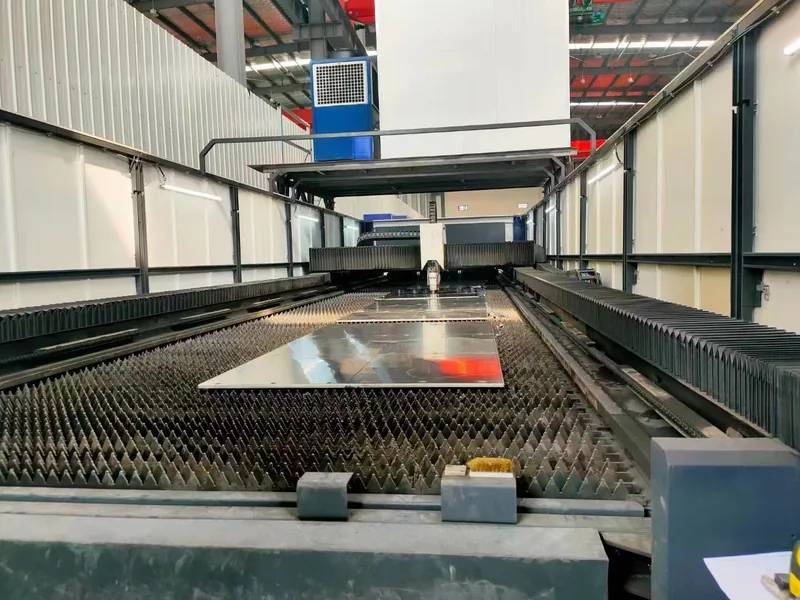
Cut to Length and Laser-Cut on Our Own Lines
Our 20 cut-to-length lines turn hot rolled coil into plate from 3 to 16mm thick (up to 20mm on request), up to 2000mm wide and 12000mm long. Our 6 kW fiber laser cuts blanks, rings, flanges and round plates up to 10mm thick, straight from your DXF or DWG file. Thicker plate is cut by plasma or waterjet. You pay for the parts you use, and the offcut risk stays with us.
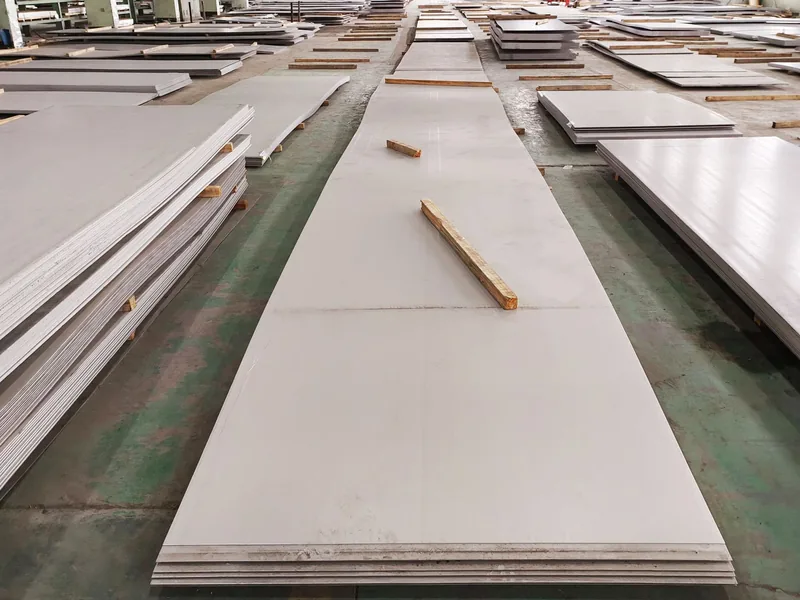
Flat Plates That Stay Flat After Cutting
We supply plate solution-annealed and pickled. Cut-to-length plate is leveled on our own lines, so your parts keep their shape. Flatness follows ASTM A480 or EN 10029, or the limit you specify.
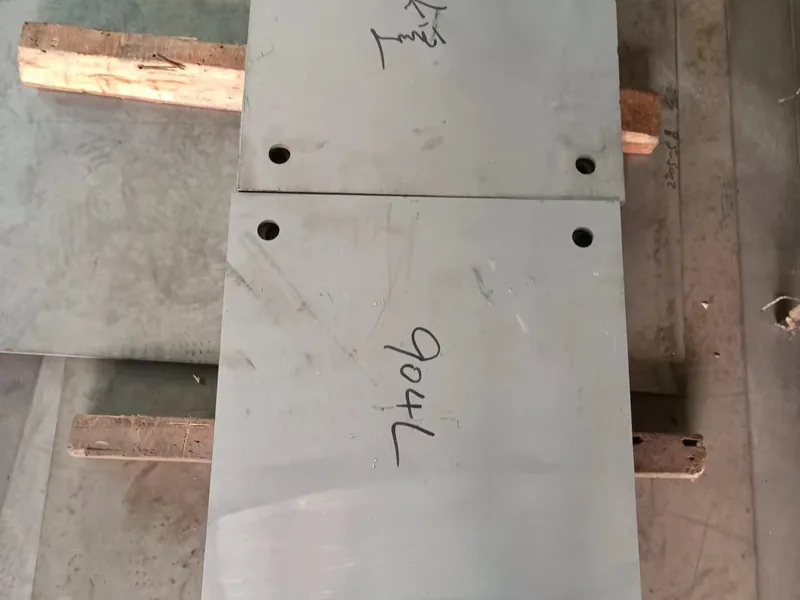
Cut Parts, Not Just Full Plates
Every plate ships with an EN 10204 3.1 mill test certificate. For pressure equipment, we supply plates certified to ASME SA240 or EN 10028-7. Plates cut on our lines also come with our processing report.
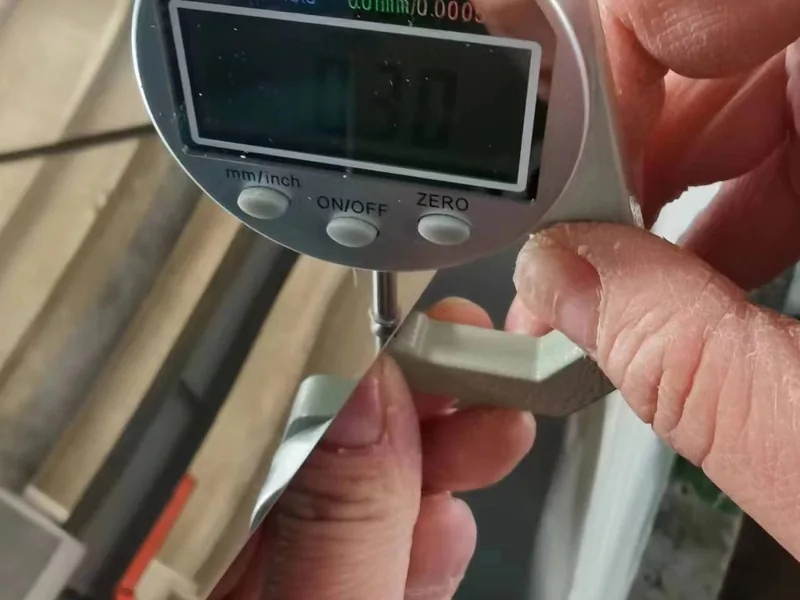
Measured Before the Container Is Sealed
We check dimensions after every processing step, with calipers, tape and CMM. PMI testing, ultrasonic testing and third-party inspection are available on request. You receive photos and reports before shipment.
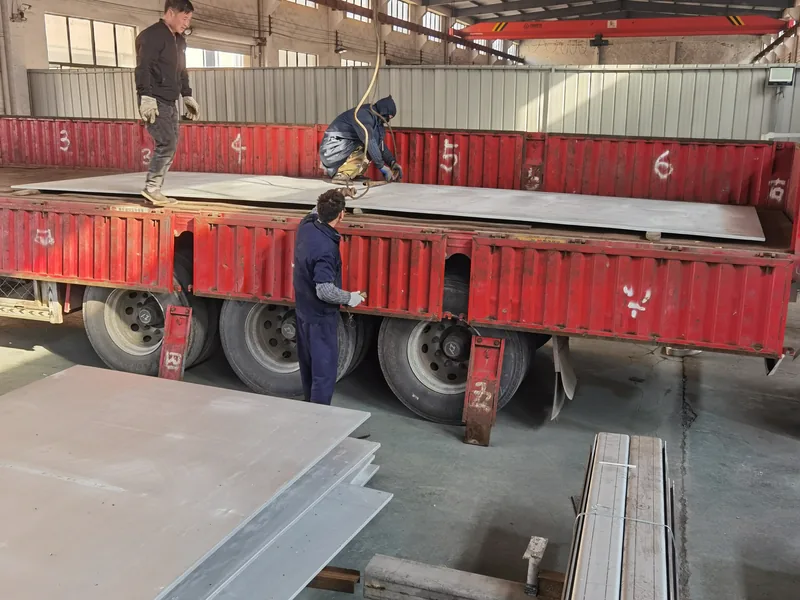
Processed and Shipped From Wuxi
We process up to 100,000 tons a month and hold 80,000 tons in our Wuxi warehouses, which cover 60,000 m². Our own cranes load each container, and plates ship from Shanghai, Qingdao or Tianjin.
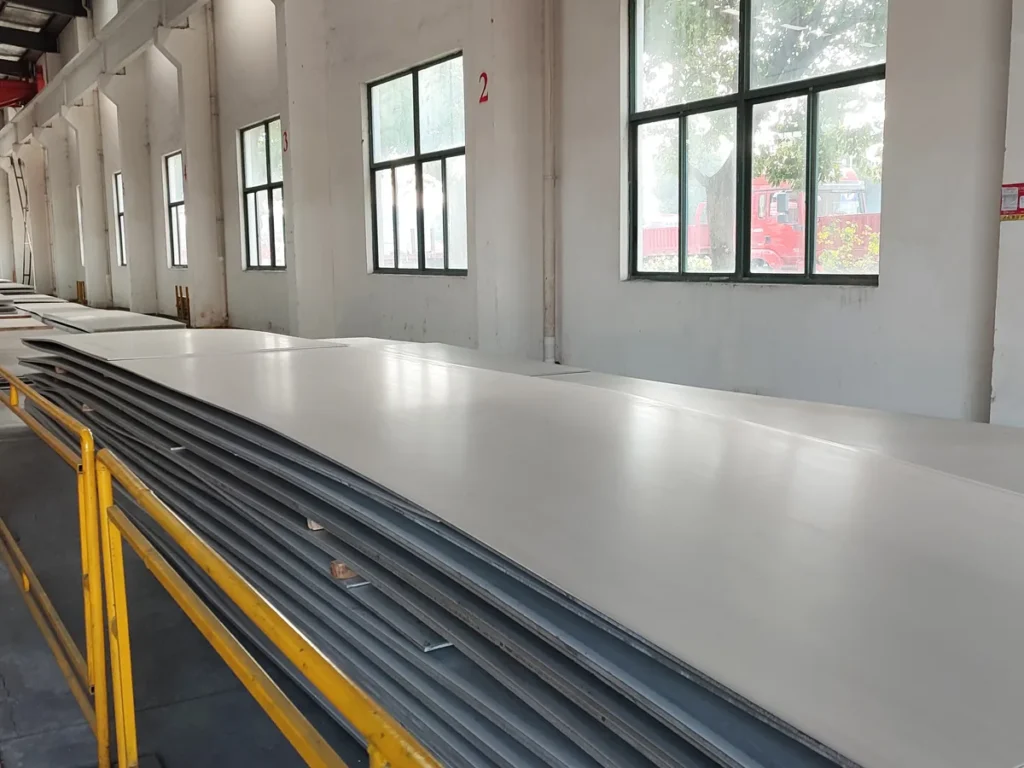
Plate Built for Pressure, Heat and Heavy Loads
Thin sheet is chosen for how it looks. Plate is chosen for how it carries load, holds pressure and survives welding. That changes what you should check before you order.
A tank shell or reactor head needs the right grade and the right paperwork. A third-party inspector will ask for the certificate behind every plate before the vessel is signed off.
So we settle grade, standard and certificate type at the quote stage. Each plate ships with its EN 10204 3.1 certificate, and parts we cut come with our processing report. Your inspector gets the documents in one set.
Request a QuoteStainless Steel Plate by Grade
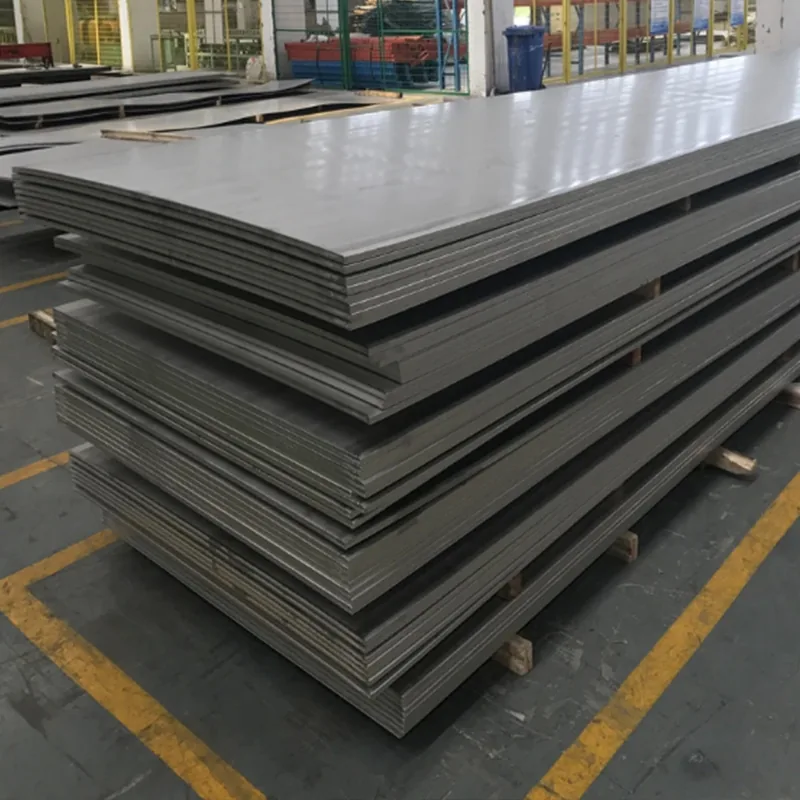
304 / 304L Stainless Steel Plate
The standard grade for tanks, food processing vessels and structural frames. Dual-certified 304/304L lets you weld heavy sections without losing corrosion resistance.
Request a Quote View Details
316 / 316L Stainless Steel Plate
Molybdenum adds resistance to chlorides and many acids. Used in chemical tanks, seawater equipment and pharmaceutical vessels. 316Ti is also available as mill plate.
Request a Quote View Details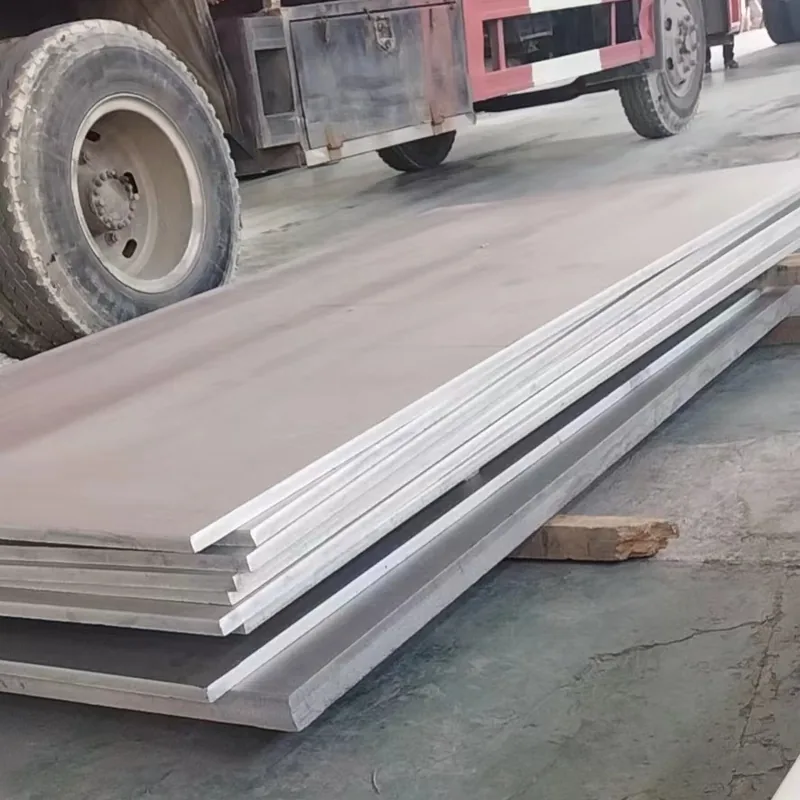
321 and 310S Heat-Resistant Plate
321 is stabilized with titanium for parts that stay at 450–850°C, such as heat exchangers and exhaust ducting. 310S stands up to furnace temperatures, up to about 1100°C in air.
Request a Quote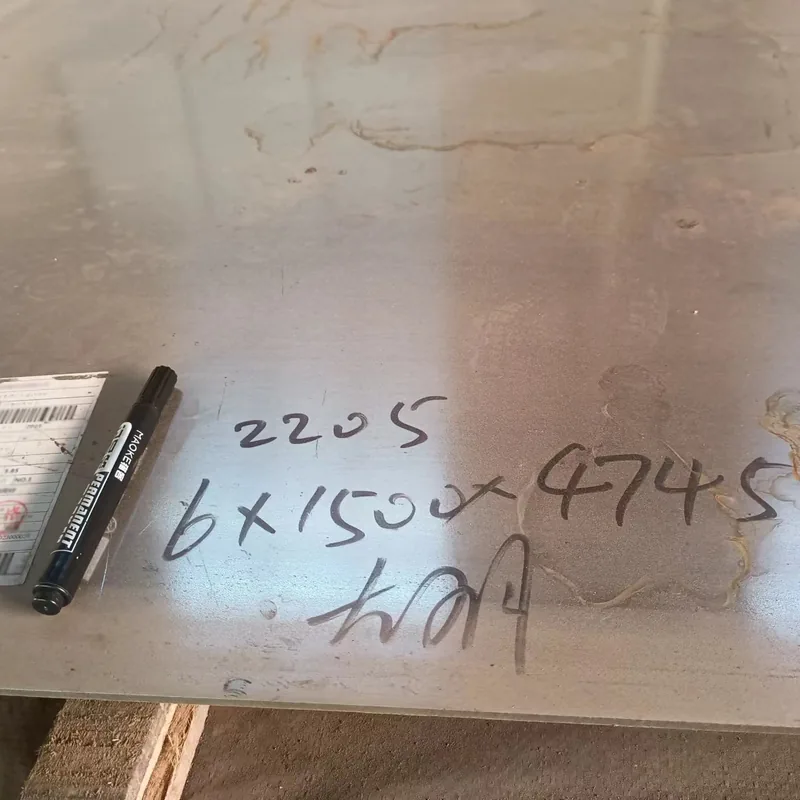
2205 Duplex and Super Duplex Plate
Roughly double the yield strength of 304, so you can design thinner walls. Strong against chloride stress cracking. Super duplex 2507 suits offshore and desalination plants.
Request a Quote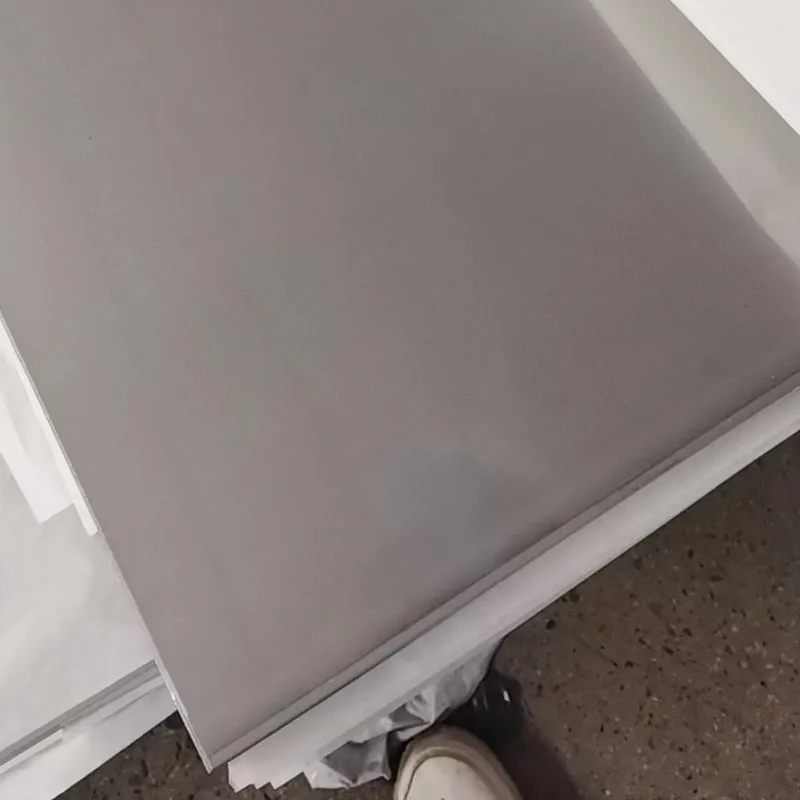
410 Martensitic Plate
A hardenable grade for wear parts, valve components, pump shafts and cutting tools.
Request a Quote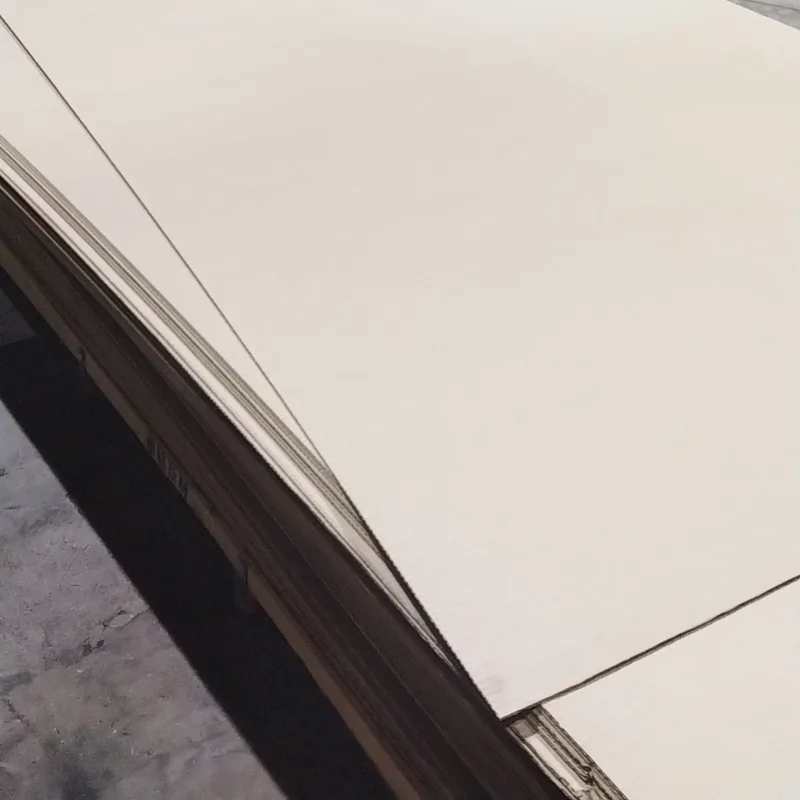
430 and 201 Plate
Lower-cost grades for dry, indoor structural and decorative parts. Not for wet, outdoor or chloride service.
Request a QuoteCommon Plate Thicknesses
Thickness
Imperial
Typical Use
5mm
≈ 3/16"
The border between sheet and plate; brackets, base plates, machine guards. Available as cold rolled sheet or hot rolled cut-to-length plate
6mm
≈ 1/4"
Tank floors, walkways, mounting plates
8–10mm
≈ 5/16"–3/8"
Tank shells, flanges, structural gussets
12–20mm
≈ 1/2"–3/4"
Pressure vessel shells, heavy frames, machine beds
25–150mm
≈ 1"–6"
Tube sheets, thick flanges, die bases
We supply metric stainless steel plate as standard: cut-to-length plate from 3 to 16mm (up to 20mm on request), and mill plate from 6 to 150mm. Imperial thicknesses such as 1/4" and 1/2" are supplied to order.
Specifications and Ordering Details
Item
Range
Grades
Mill plate: 304, 304L, 304H, 316, 316L, 316Ti, 321. Also 309S, 310S, 904L, 2205, 2507, 410 and 430; sizes on request
Cold rolled sheet
Thickness: 0.27–6.0mm
Width: 1000, 1219 (4 ft), 1500mm
Length: 2000, 2438 (8 ft), 3000mm standard; cut to any length up to 6000mm. Sheets over 6m are long sheets, made to order, with limited transport options
Hot rolled cut-to-length plate
Thickness: 3.0–16mm standard, up to 20mm on request
Width: 1000, 1219, 1500, 1800, 2000mm
Length: 2000, 2438, 3000, 6000mm standard; cut to any length up to 12000mm
Hot rolled mill plate
Thickness: 6–150mm for 304, 304L and 304H; 6–80mm for 316, 316L, 316Ti and 321
Width: 1500, 1800, 2000, 2500, 3000, 3500mm; the thicker the plate, the wider it can be supplied
Length: 2000, 3000, 6000mm standard; 12000mm on request. Plates over 12m are rarely made, hard to ship in containers and only supplied as a special order
Finish
No.1 (hot rolled, annealed, pickled); No.4 brushed on one side on request
Standards
ASTM A240 / A480, ASME SA240, EN 10088-2, EN 10028-7, JIS G4304, GB/T 4237
Forms
Full plate, cut-to-size, round plate, rings, checkered plate, perforated plate
Testing
Chemical, tensile, hardness; intergranular corrosion and UT on request
Buying Stainless Steel Plate: What Matters Beyond the Grade
Ordering plate is not the same as ordering sheet in a heavier gauge. The pieces are heavier, the parts carry load, and code inspectors check the paperwork. Here is what to settle before you sign a purchase order for stainless steel plate.
Coil Plate or Mill Plate
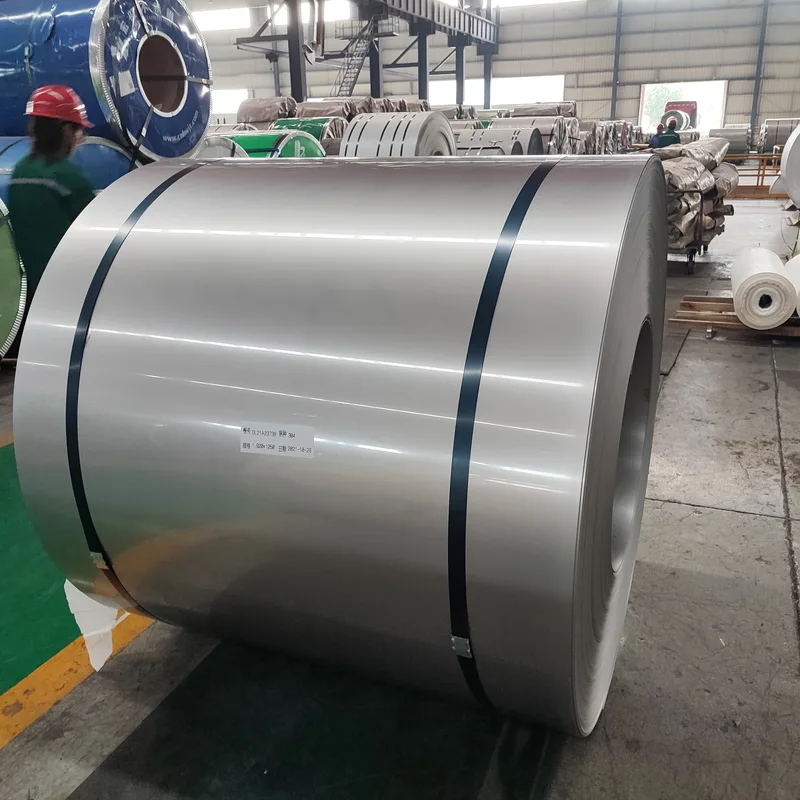
Plate reaches you in two ways. Coil plate is cut from hot rolled coil on a cut-to-length line. Mill plate, also called discrete or quarto plate, is rolled one piece at a time.
Coil plate is usually cheaper and quicker for common sizes. We cut it on our own lines from 3 to 16mm thick (up to 20mm on request), in any length up to 12000mm, so cut-to-length waste is low. The trade-off is residual stress from coiling. Some coil plate can bow when you cut narrow strips from it.
Mill plate covers thicker gauges and wider sizes, from 6mm up to 150mm and up to 3500mm wide. It is the normal choice above 20mm, and for widths over 2000mm. It tends to stay flatter after heavy cutting.
As a rule, for floor plates, brackets and simple blanks, coil plate is fine. For narrow strips, machined parts or thick tube sheets, ask for mill plate. Tell us how you will cut it, and we will recommend the right one.
Dual Certification and ASME Requirements
Most 304 and 316 plate today is dual-certified. One plate meets both 304 and 304L, or 316 and 316L. It has the low carbon of the L grade and the strength of the standard grade.
For welded tanks and vessels, dual-certified plate is the safe choice. Low carbon limits sensitization in the heat-affected zone. That is where intergranular corrosion starts in heavy welded sections.
If the equipment is built to the ASME Boiler and Pressure Vessel Code, the plate must be certified to ASME SA240. ASTM A240 alone is not enough for a code stamp. In Europe, pressure equipment usually calls for EN 10028-7 and a 3.1 certificate under PED. Check the code your design follows before you request a quote.
Choosing a Grade for Heavy Sections
Grade selection follows the same corrosion logic as thinner material. Thickness adds two more questions: welding and strength.
Heavy welds put more heat into the plate. That favors L grades or stabilized grades like 321 for service at high temperatures. 321 also resists sensitization when the part runs hot for long periods.
Strength matters when weight matters. Duplex 2205 has about twice the yield strength of 304L. A tank wall in 2205 can often be designed thinner, which saves steel and freight. The plate costs more per ton, but the total may be lower. Ask your designer to check both options.
Do not choose duplex just to look premium. It needs qualified welding procedures and careful heat input control. If your shop has never welded duplex, budget time for procedure tests.
How to Calculate Plate Weight
Plate is priced by weight, so check the numbers yourself. Use this formula:
Weight (kg) = thickness (mm) × width (m) × length (m) × 7.93
The 7.93 factor is the density of 304 in g/cm³. Use 7.98 for 316 and 316L, and about 7.80 for 2205.
For example, one 10mm 304 plate at 1500 × 6000mm weighs about 714kg. Container loads depend on the weight limit at your port, so tell us the limit when you send the inquiry.
Thickness Tolerance and Flatness
ASTM A480 and EN 10029 set default thickness and flatness limits for hot rolled plate. The limits widen as plates get thicker and wider. For most structural work, the default is fine.
Machined parts are different. If you will mill a face, order enough thickness to clean up both sides. If you need a flatness tighter than standard, state it on the order. Re-leveling thick plate after delivery is slow and expensive.
Cutting Method and Edge Quality
How the plate is cut affects your next step. Plasma cutting is fast and economical, but leaves a heat-affected edge and some bevel. Waterjet leaves no heat-affected zone, which suits parts that must keep full corrosion resistance at the edge. Fiber laser gives clean, accurate edges. We run all three: our 6 kW laser cuts stainless plate up to 10mm, and plasma or waterjet takes over above that.
For weld prep, plasma edges are usually acceptable after grinding. For flanges and parts that touch process fluid, waterjet is often worth the extra cost. Ask for the cutting method on the quote, so you can compare like with like.
When Plate Is Not the Right Choice
If your parts are thin, or need a smooth 2B or BA surface, cold rolled sheet is the better buy; we supply it from 0.27 to 6mm. If you need round bars, discs or forged rings in large quantities, check whether bar or forging is cheaper than cutting from plate. Cutting a small disc from a thick plate wastes a lot of expensive metal.
Frequently Asked Questions
What is the stainless steel plate price per kg?
Plate is priced by grade, thickness, width and quantity. Nickel and molybdenum prices move it each month. Cut-to-size and other work add to the base price. Send us the grade, size and tonnage, and we will quote a current price per kg or per ton within 2–4 working hours.
Is 316 stainless steel plate worth the extra cost over 304?
It is worth it when the plate meets chlorides. That includes seawater, salt spray, brine, chlorinated water and many chemicals. In those places, 304 can pit within months. For dry or freshwater service, 304/304L does the job at a lower price per ton.
Can I order 2mm or 3mm stainless steel plate?
A 2mm plate is sold as sheet. Cold rolled sheet has tighter tolerances and smoother finishes than hot rolled plate, and you can order it from our Stainless Steel Sheet range, from 0.27 to 6mm. From 3mm, we also supply hot rolled cut-to-length plate with a No.1 finish. Choose sheet if the surface will be visible.
Do you supply round stainless steel plate?
Yes. We cut round plates and rings on our 6 kW fiber laser up to 10mm thick, and by plasma or waterjet on thicker plate. Send the outer diameter, inner diameter if any, thickness and grade. We nest parts to reduce scrap and quote the finished pieces.
What is the thickest stainless steel plate you can supply?
Mill plate goes up to 150mm in 304, 304L and 304H, and up to 80mm in 316, 316L, 316Ti and 321. Thick plate is rolled in smaller batches, so lead times are longer. Tell us early if your project needs plate above 50mm.
Can I get stainless steel plate with a brushed or 2B finish?
Most plate comes with a No.1 hot rolled, pickled finish. We can brush one side to No.4 for visible parts. A true 2B finish is a cold rolled finish, so it is only available on sheet, up to 6mm.
Can you supply plate for a pressure vessel project?
Yes. We supply plates certified to ASME SA240 or EN 10028-7, with EN 10204 3.1 or 3.2 certificates. Send your design code and inspection requirements with the inquiry, and we confirm the certificate type in the quote.
Can you supply stainless steel plate longer than 12 meters?
Only as a special order, and rarely. Our standard mill plate lengths are 2000, 3000 and 6000mm, and 12000mm on request. Plates over 12m are hard to ship in containers and need special transport. Most projects plan their welds around 12m plates or shorter.
Related Products
Request a Quote
We reply within 2–4 working hours with a price per ton, valid for 3 days.