Stainless Steel Rod Supplier
MTS supplies stainless steel rod and round bar in 304, 316L, 303, 410, duplex and more than 20 other grades. Diameters run from 3 mm to 300 mm, and up to 600 mm in 400 series grades. Bar comes cold drawn, ground, polished or forged black.

Black bar up to Φ300 mm, and up to Φ600 mm in 400 series; peeled on request
Cold drawn bright bar Φ3–100 mm to h9–h11; ground bar to h7/h8, Ra 0.2–0.8 µm
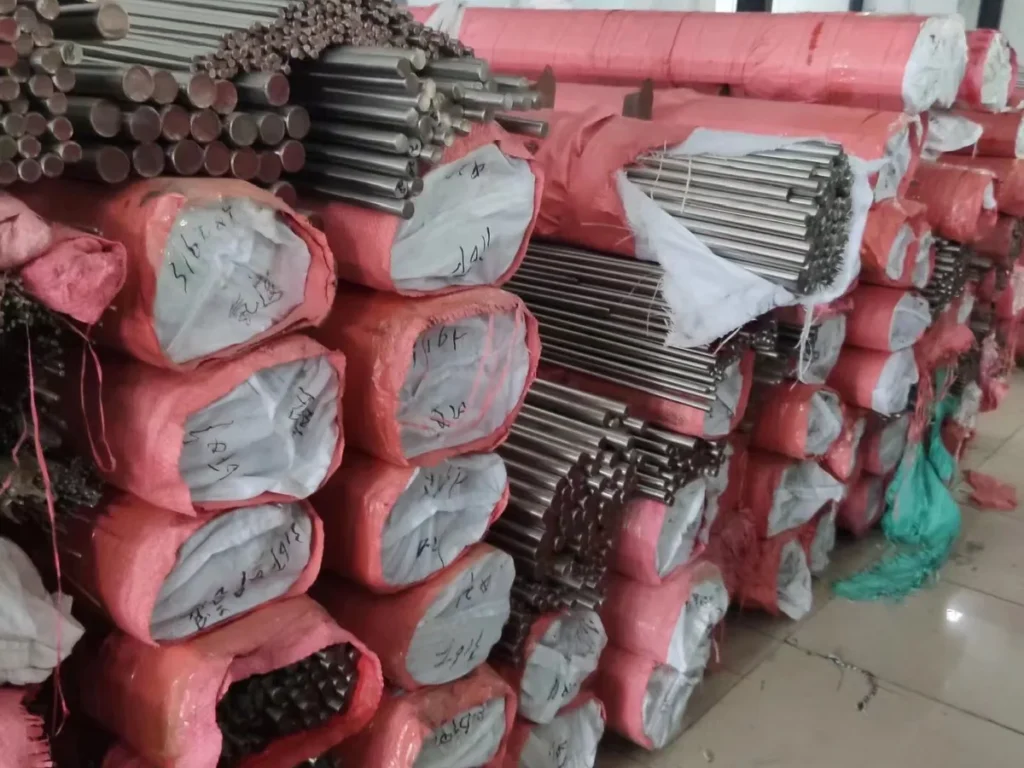
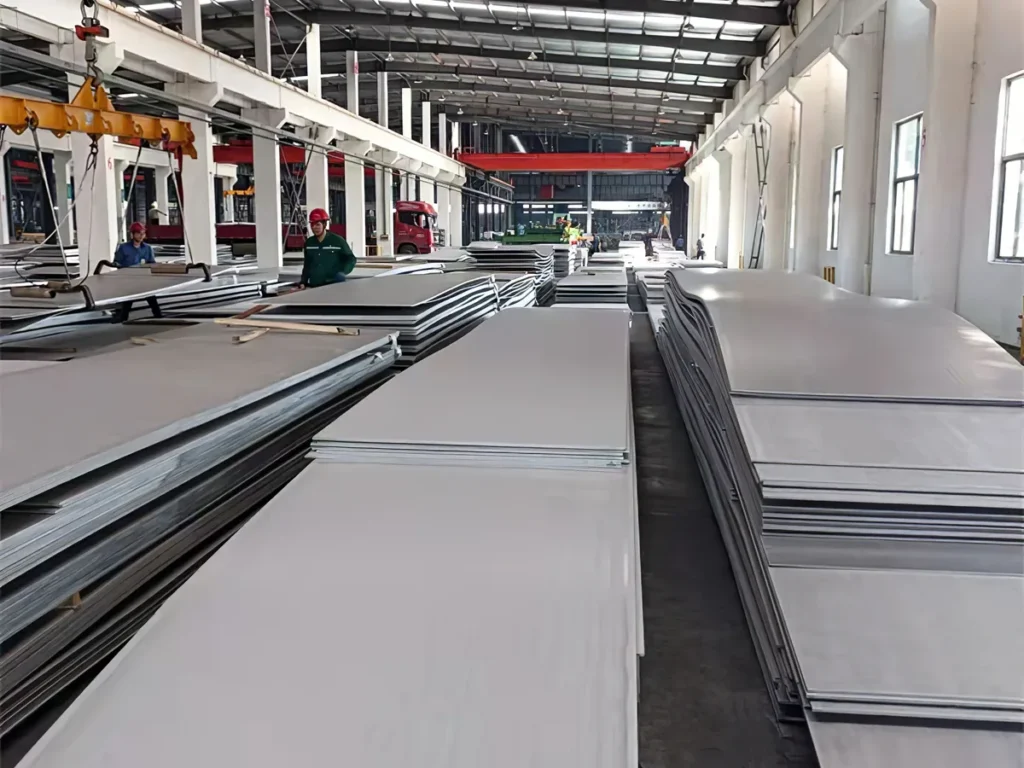
4,500 tons of stainless bar in stock in our Wuxi warehouses
Standard lengths of 2, 3 and 6 m; 9 m and 12 m on request
Why Order SS Rod From Us
Four Production Routes, One Supplier
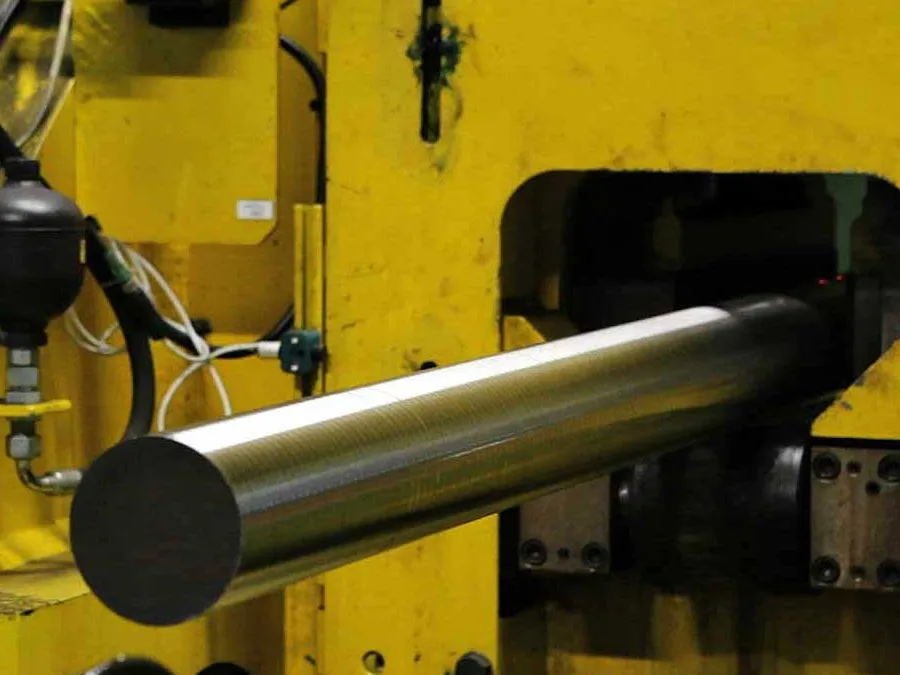
Cold drawn, centerless ground, polished and forged bar all come from one source. You choose the route that fits your part, not the one a single mill happens to run.
Tolerance Matched to Your Process
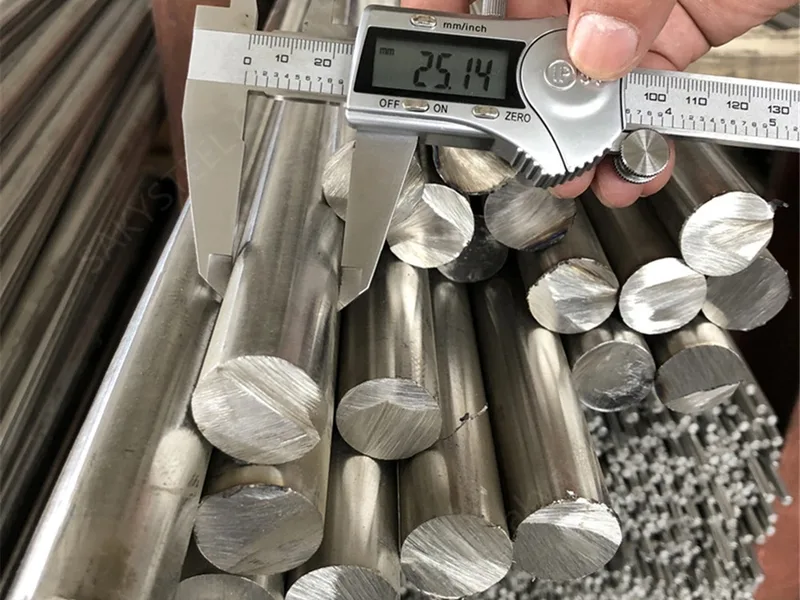
Cold drawn bar holds h9–h11 for general machining. Ground bar holds h7/h8 for CNC and precision parts. You pay only for the accuracy you use.
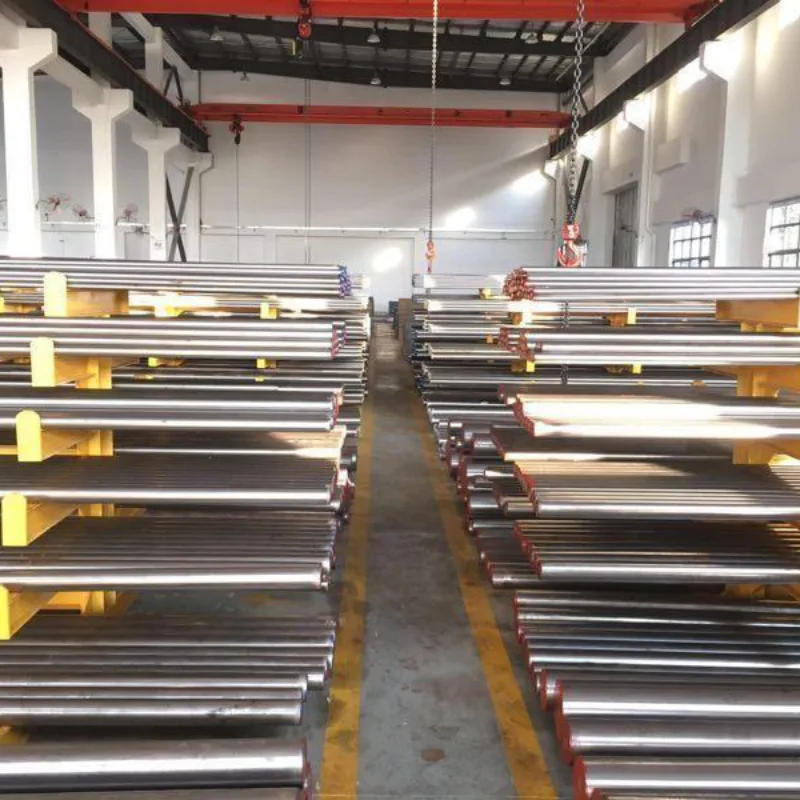
4,500 Tons of Bar Ready in Wuxi
We keep 4,500 tons of stainless bar in our own Wuxi warehouses. Round, square and hex bar in the common sizes ship from stock, so urgent orders do not wait for a mill.
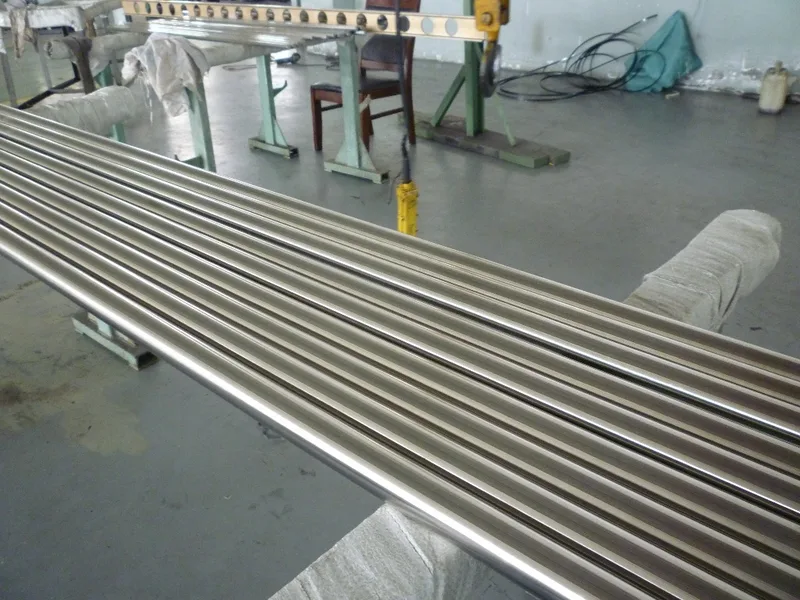
Cut Lengths and Mixed Loads
Bars ship in 2, 3 or 6 m lengths, with 9 m and 12 m on request. One container can carry several grades and diameters, each bundle tagged by size and grade.
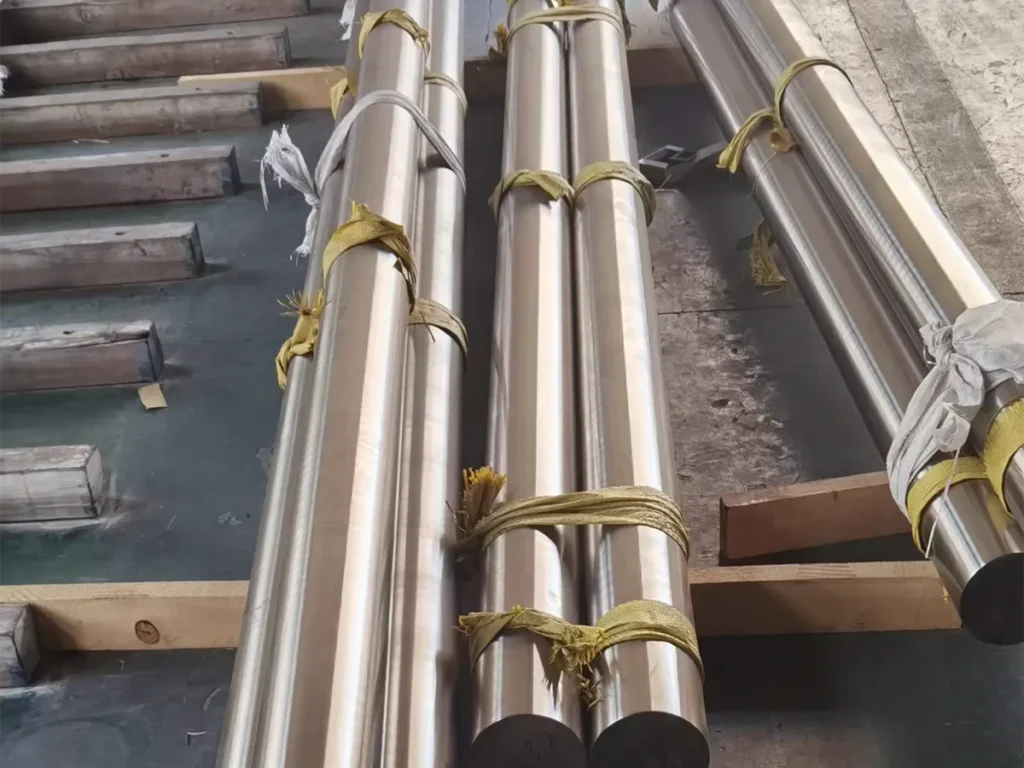
One Grade List for Machined, Structural and Hot Parts
A stainless steel metal rod looks the same across grades. Inside, it behaves very differently.
304 is the default for general parts, fittings and railing. 316L takes over near salt, chlorides or acids. 303 machines fastest, so it suits high-volume turned parts. 410 and 420 harden, so they suit shafts, valve trim and tools. Duplex doubles the strength of 316L for pumps and offshore parts.
Tell us what the part does, and we will suggest a grade. You do not need to pick from a catalog alone.
Request a QuoteStainless Steel Rod and Round Bar by Grade
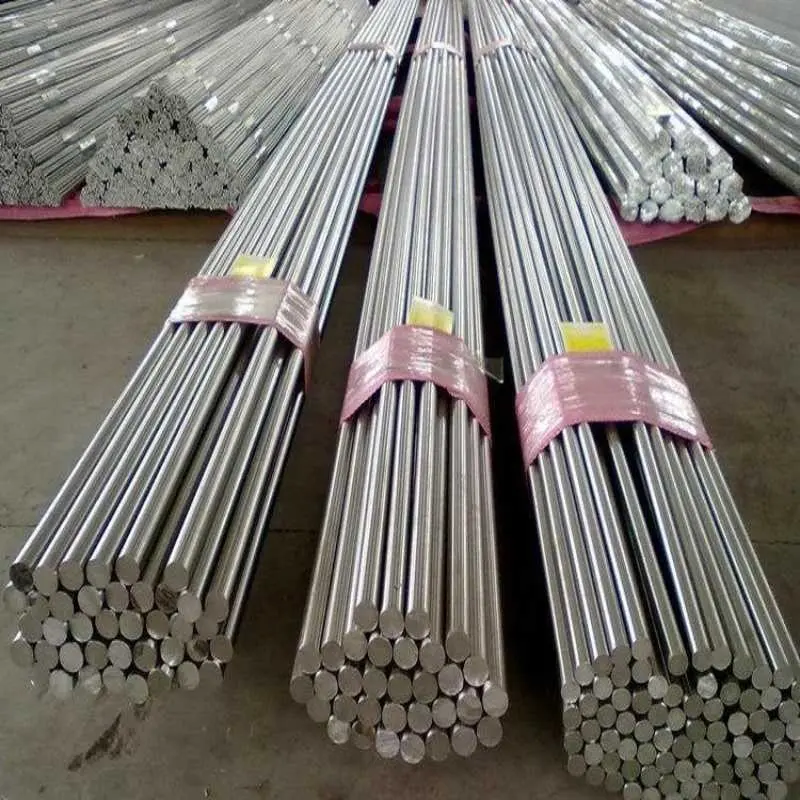
304 / 304L Rod
The general-purpose grade for fittings, fasteners, food equipment and railing. See our 304 Stainless Steel Rod range.
Request a Quote View Details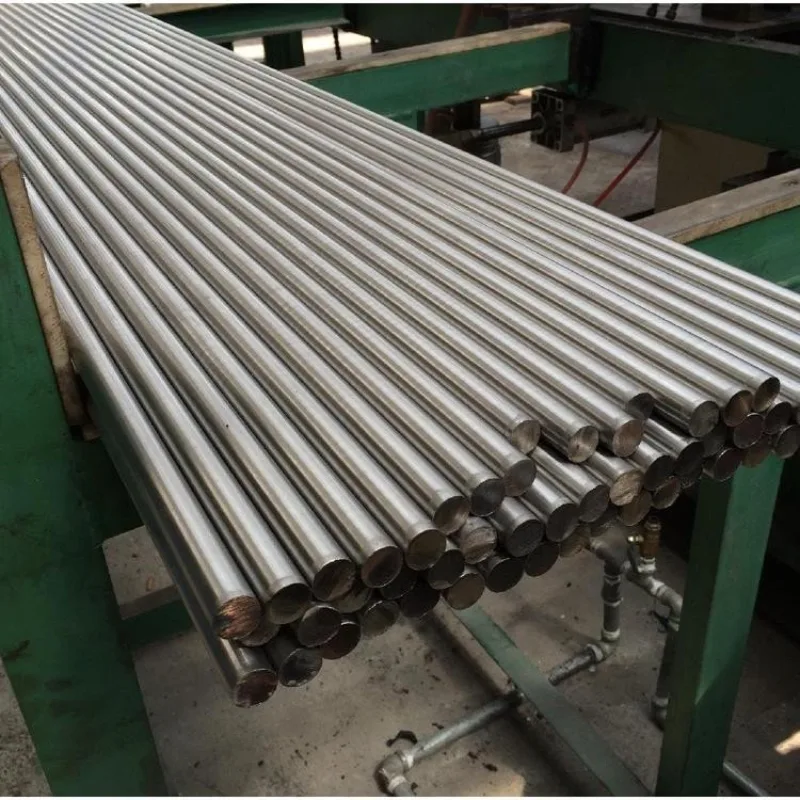
316 / 316L Rod
Molybdenum-bearing bar for marine, chemical and medical parts. See SS 316 Rod.
Request a Quote View Details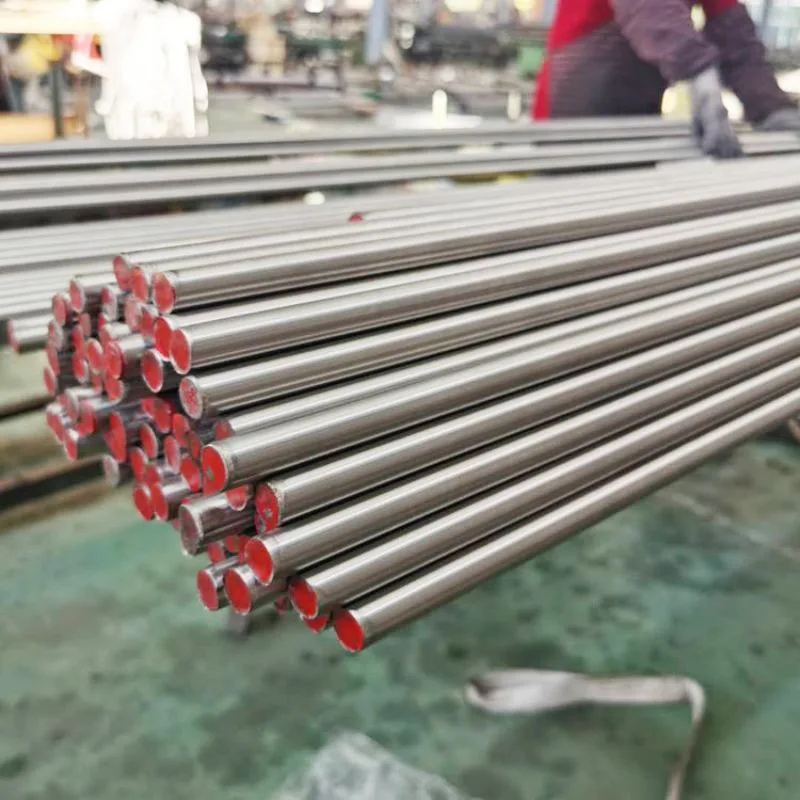
303 Rod
Free-machining grade for screws, bushings and fittings on CNC lathes. See 303 Stainless Steel Rod.
Request a Quote View Details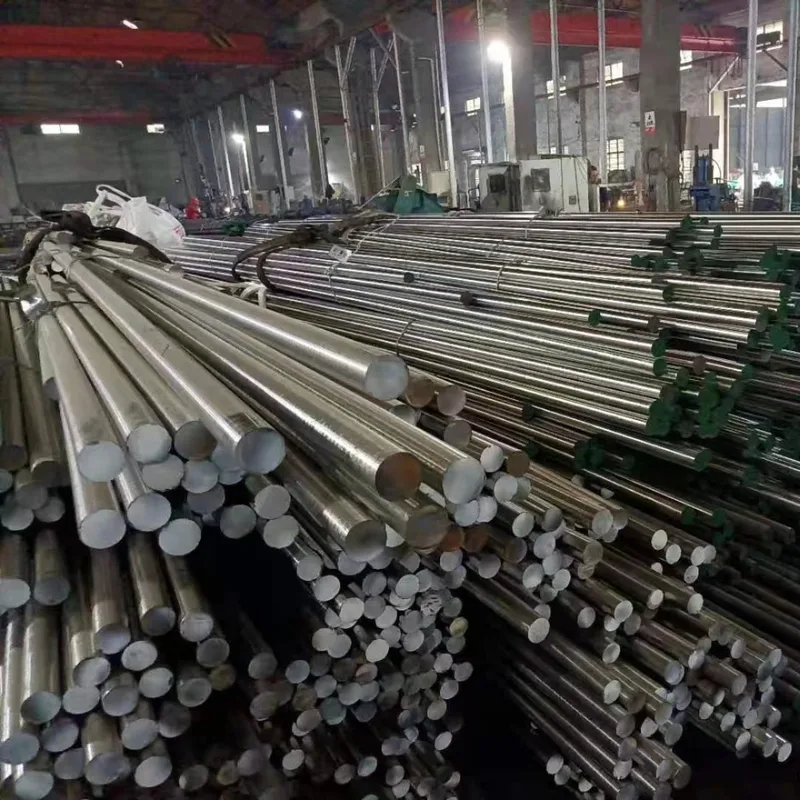
410 and 400 Series Round Bar
Hardenable and magnetic bar for shafts, pump parts and cutting tools, from 16 mm to 600 mm. Also 444 and 446. See 410 Stainless Steel Round Bar.
Request a Quote View Details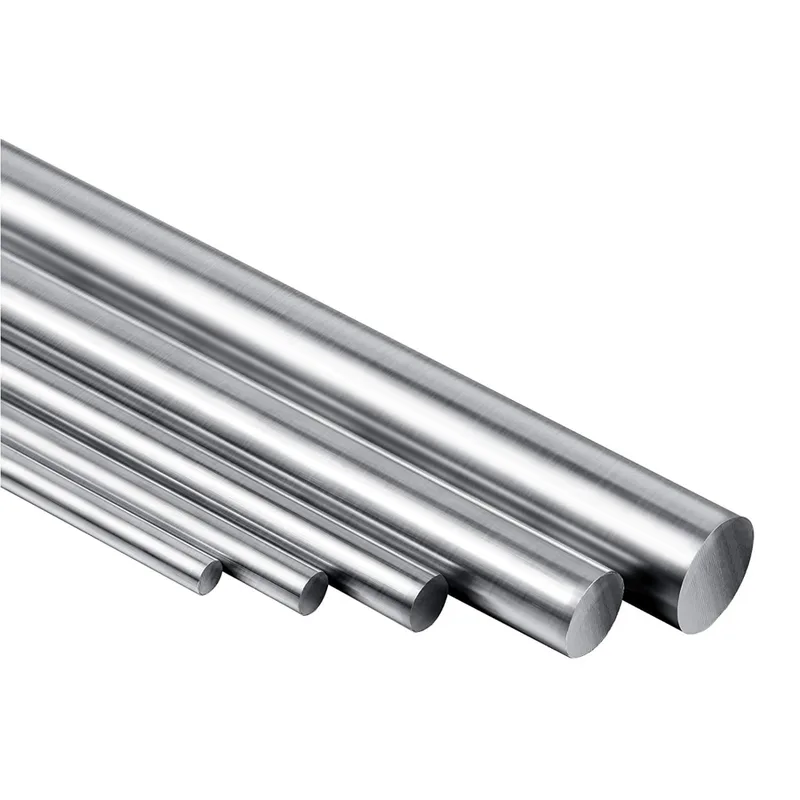
Duplex Round Bar
2205 and super duplex 2507 bar for high strength and chloride resistance. See Duplex Round Bar.
Request a Quote View Details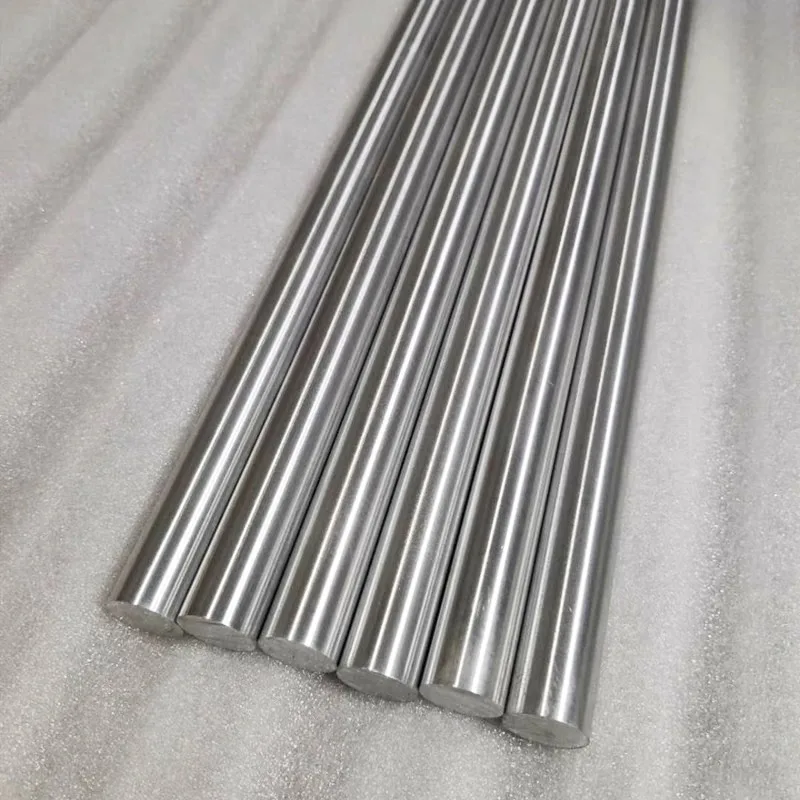
201 and 202 Round Bar
Lower-nickel grades for indoor hardware, furniture and decorative parts where cost matters more than corrosion resistance.
Request a Quote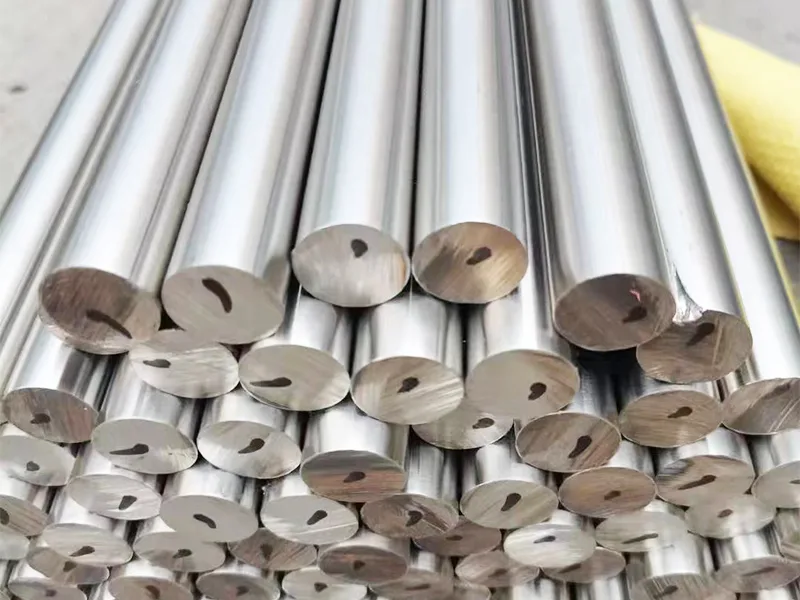
Heat-Resistant Grades
321 round bar for welded parts in hot service. 347, 309, 310S and 330 stainless steel round bar are supplied by mill order for furnace parts, burners and exhaust systems.
Request a Quote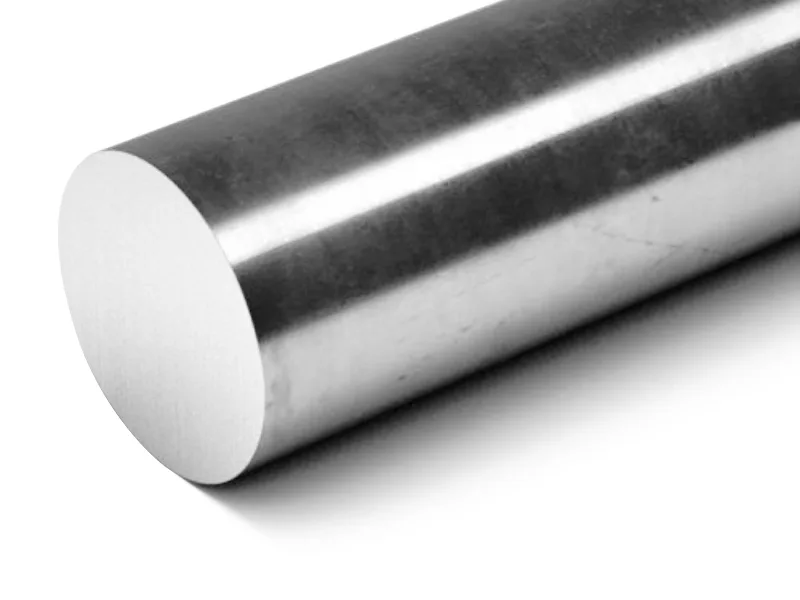
Precipitation-Hardening and Special Alloys
17-4 PH (630) rod from Φ5 mm up to Φ600 mm for high-strength parts. A286 rod for high-temperature fasteners and Nitronic 60 rod for anti-galling pins are supplied by mill order.
Request a QuoteStainless Steel Rod by Form and Finish
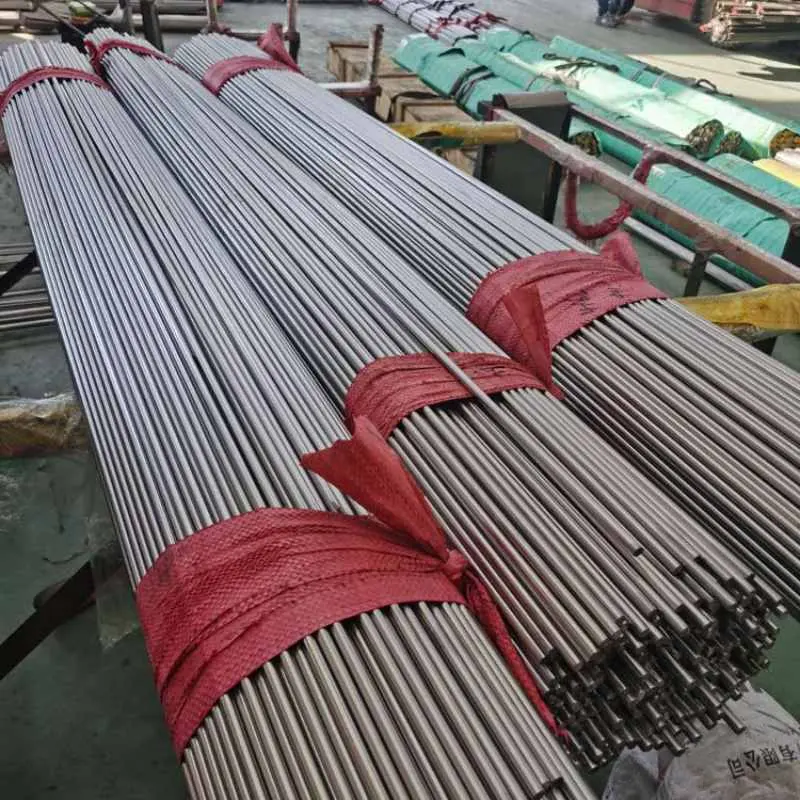
Stainless Steel Round Bar
The standard form of SS round bars, solid and cylindrical. Also sold as ss round rod or stainless round rod.
Request a Quote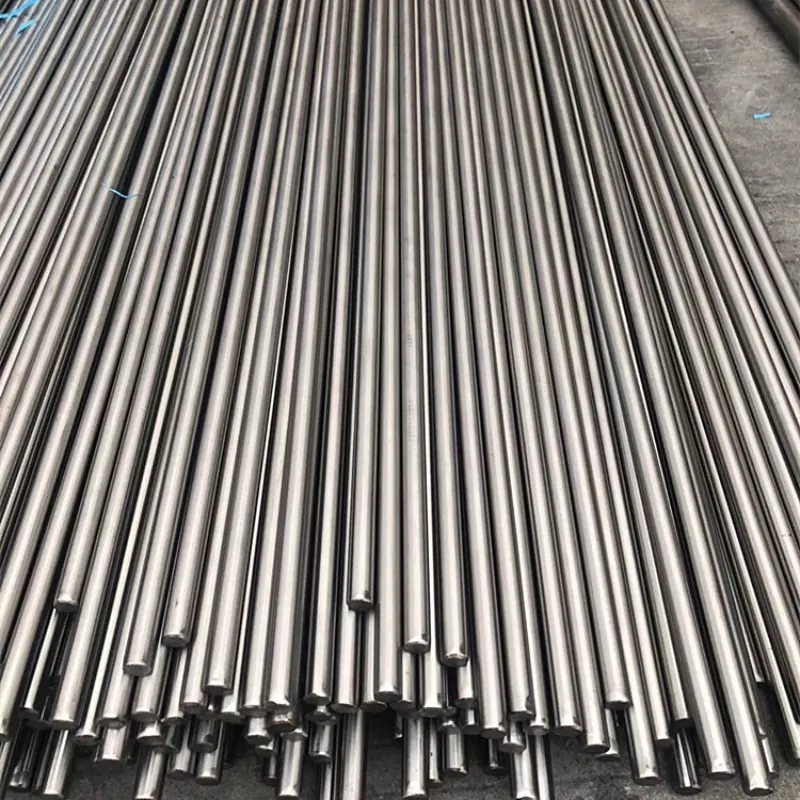
Stainless Steel Solid Rod
Full-section bar, not tube. Choose a stainless steel solid bar when the part takes load, threads or deep machining.
Request a Quote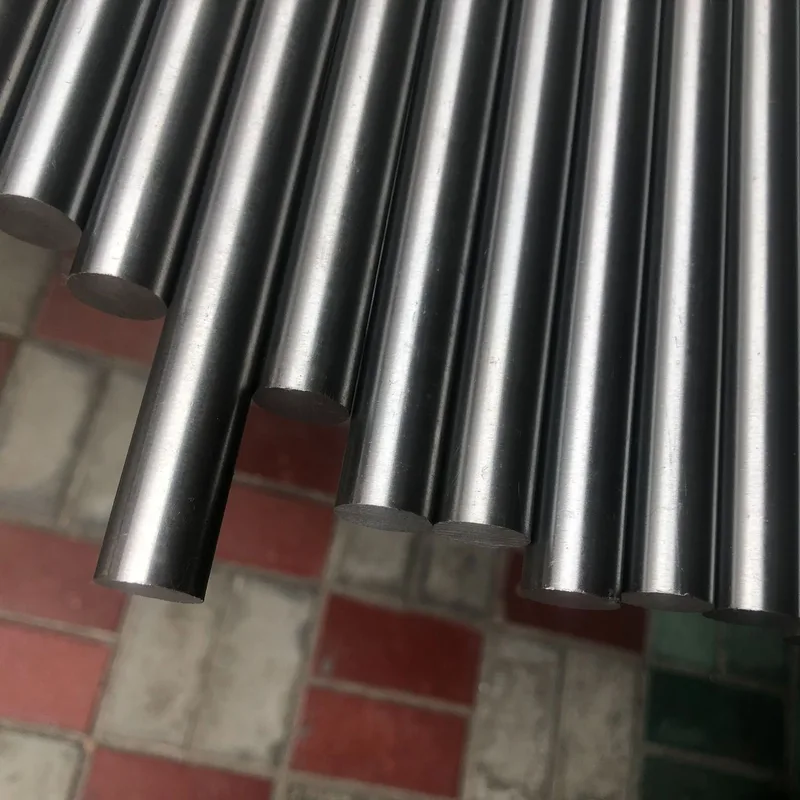
Cold Drawn Bright Bars
Cold drawn and lightly polished, Φ3–100 mm, h9–h11, Ra 1.6–6.3 µm. Order ss bright bar for general machined parts. Stainless steel bright round bar is our most-requested form.
Request a Quote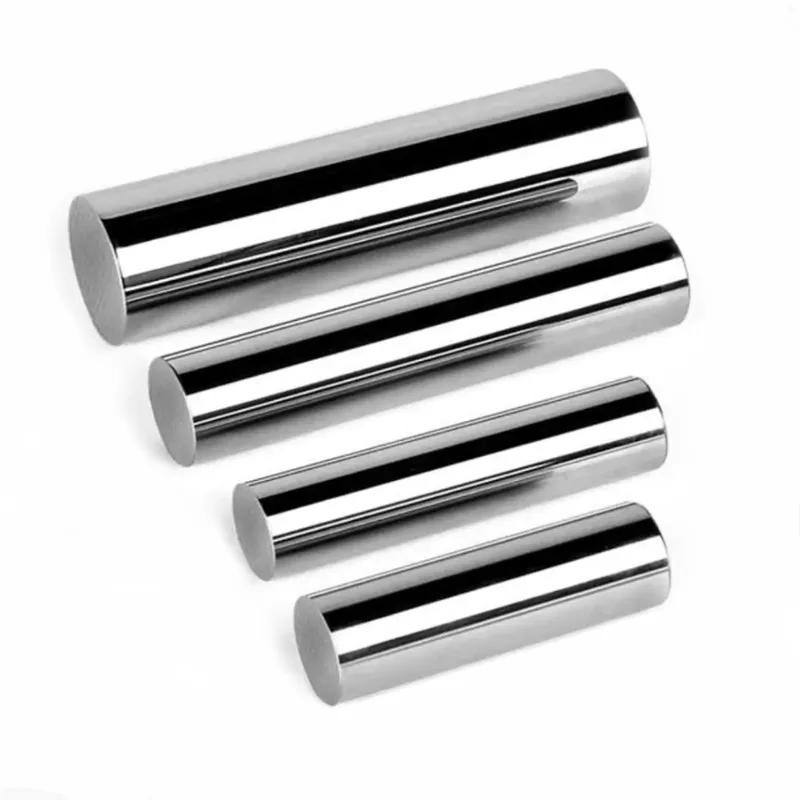
Ground Bars
Centerless ground after drawing, h7/h8, Ra 0.2–0.8 µm. For CNC precision parts, shafts and pins.
Request a Quote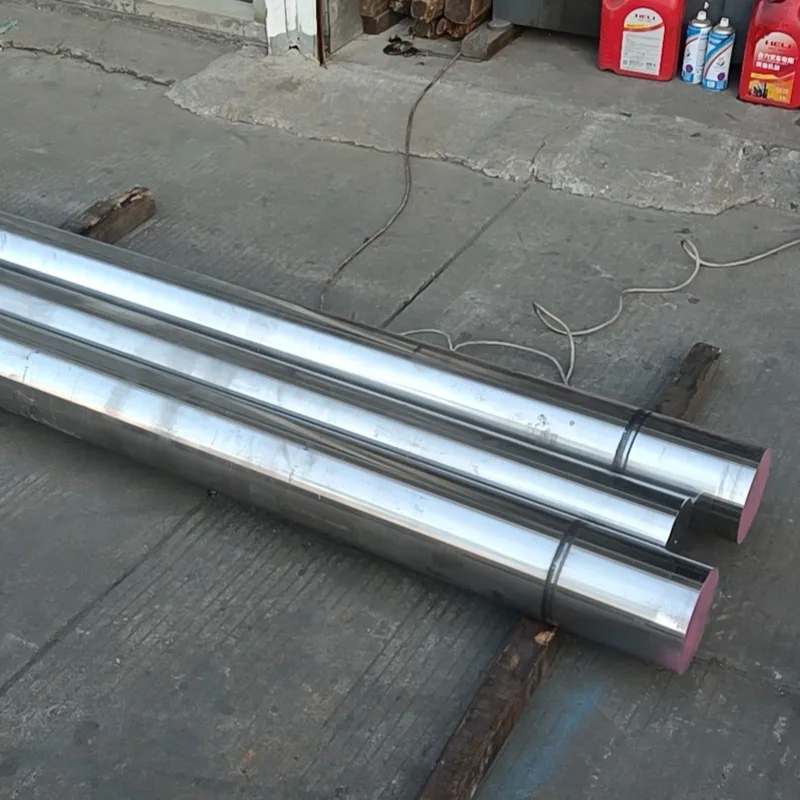
Polished and Large Bright Bars
Polished round bar from Φ4 to Φ60 mm for visible parts and handrails. Large bright round bar from Φ60 to Φ200 mm, to h9–h11.
Request a Quote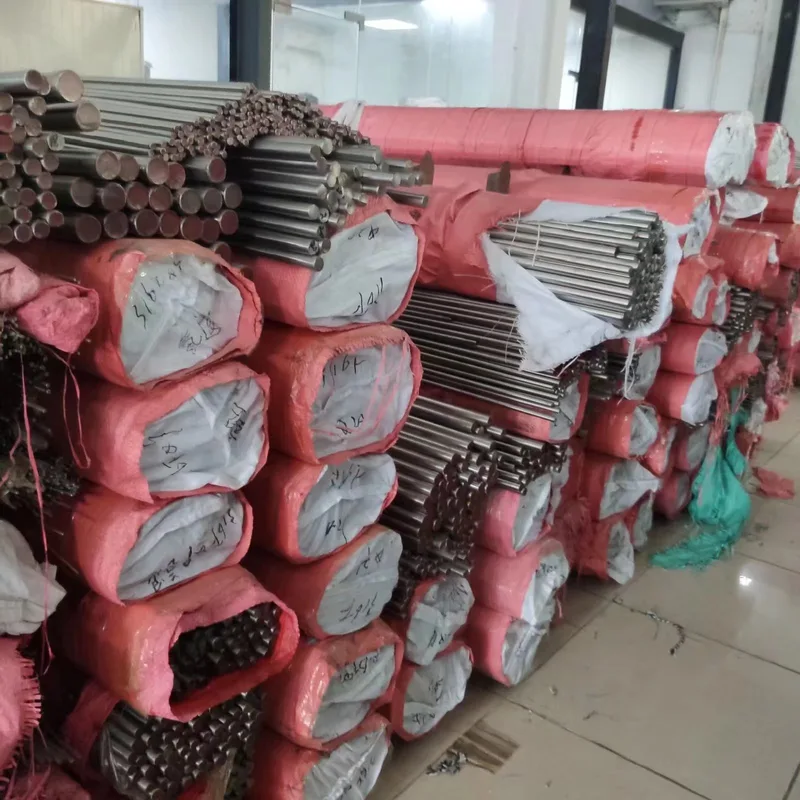
Forged Black and Peeled Bars
Black stainless steel rod is forged, with the surface left as forged. From Φ200 to Φ300 mm. When you need a clean surface and accurate size, we peel it.
Request a Quote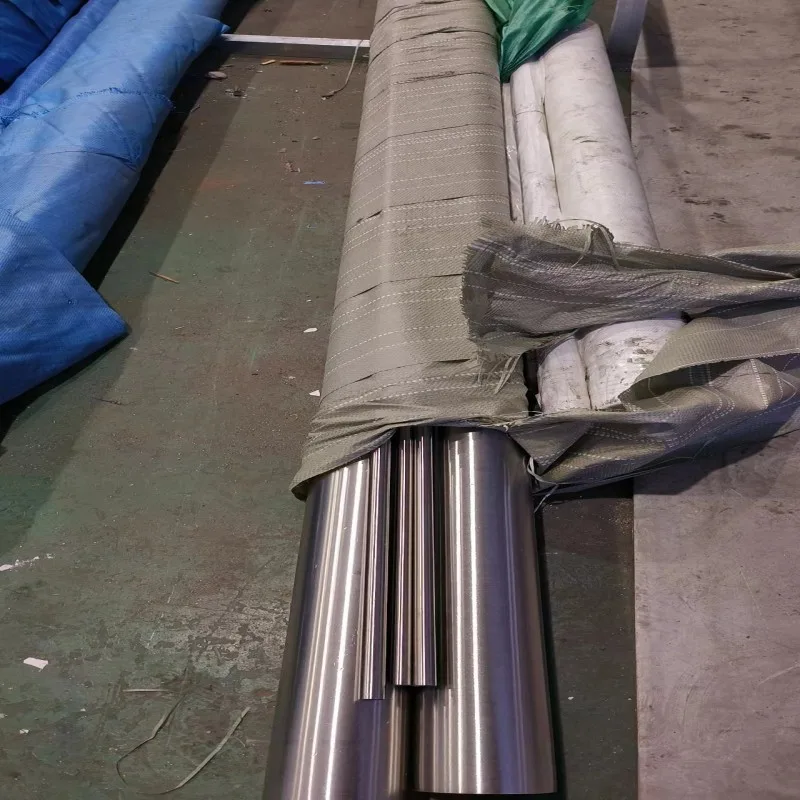
Pickled and Brushed Rod
Pickled (acid white) bar for parts you will machine or weld. A brushed stainless steel rod hides fingerprints, so it suits railing and display fittings. Ask for a stainless steel smooth rod if appearance matters more than tolerance.
Request a Quote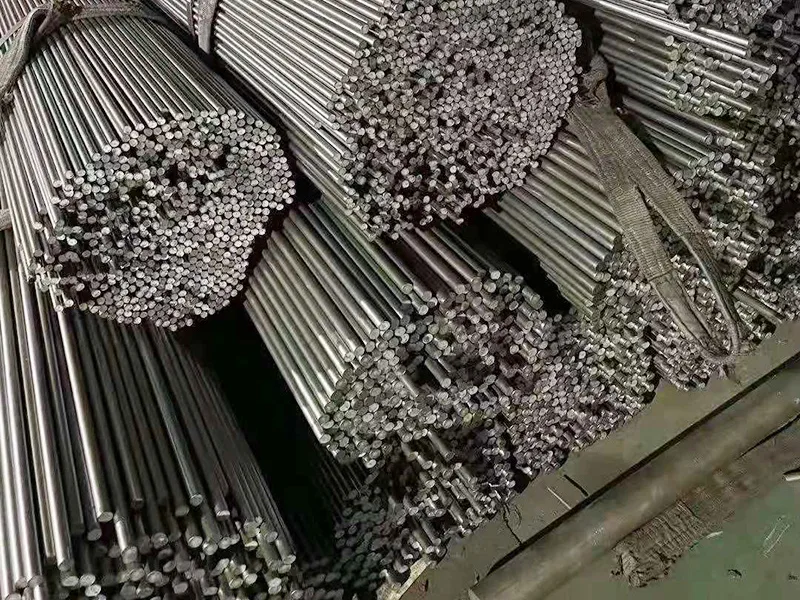
Small Diameter Stainless Steel Rods
Thin rod from 3 mm to 6 mm, cold drawn and cut to length. Small stainless steel rods suit pins, shafts and small turned parts.
Request a Quote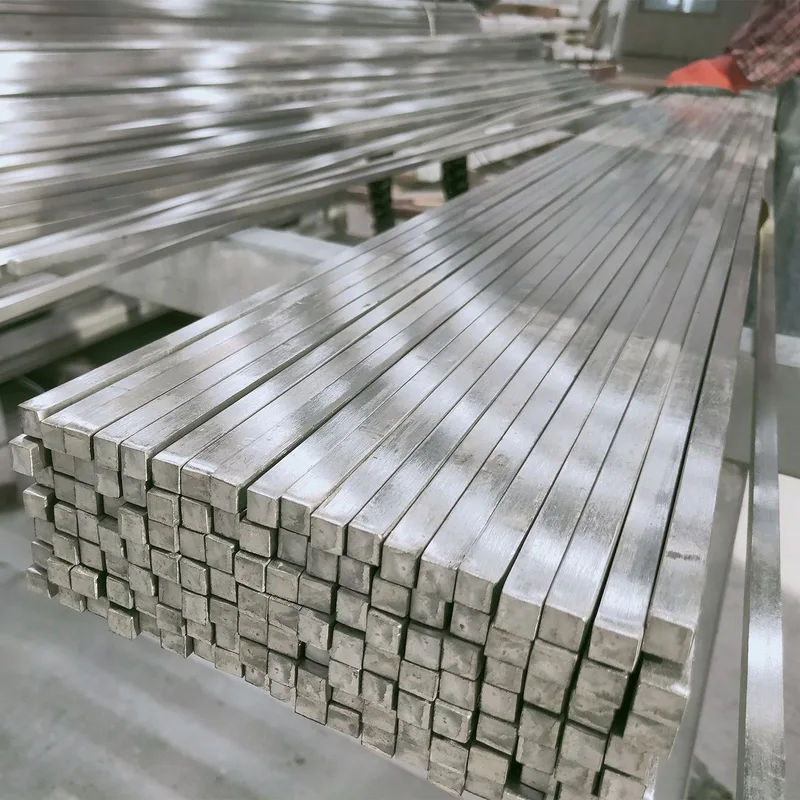
Square and Hex Bar
Square bar from 10 to 100 mm and hex bar from 8 to 120 mm across flats, in 304 and 316.
Request a QuoteSpecifications
Item
Range
Grades in common supply
201, 202, 303, 304, 304L, 316, 316L, 321, 410, 416, 420, 430, 430F, 431, 440C, 444, 446, 630 (17-4 PH), 904L, 2205, 2507
Grades by mill order
304H, 316Ti, 317L, 309, 310S, 330, 347, A286, Nitronic 60
Cold drawn bright bar
Φ3–100 mm; h9–h11; Ra 1.6–6.3 µm
Ground bar
Φ5–30 mm in most grades; h7/h8; Ra 0.2–0.8 µm
Polished bar
Φ4–60 mm
Large bright bar
Φ60–200 mm; h9–h11
Forged black bar
Φ200–300 mm; peeled on request
400 series round bar
Φ16–600 mm
Square / hex bar
10–100 mm square; 8–120 mm hex across flats
Length
2 m, 3 m, 6 m; 9 m and 12 m on request
Surface
Bright, ground, polished, pickled, brushed, black
Standards
ASTM A276, ASTM A479, ASTM A582, EN 10088-3, JIS G4303
Stainless Steel Rod Buying Guide
A stainless steel rod order goes wrong in a few predictable ways. The grade is fine but the tolerance is wrong. The bar is accurate but bent. Or the price looked low because the finish was black, not bright. This guide covers the choices that decide what you actually receive.
Rod, Bar and Round Bar: Are They Different?
In trade use, they mean the same product. “Stainless steel rod bar”, “rod” and “round bar” all describe a solid round section.
Some buyers use “rod” for small diameters and “bar” for large ones. Others use “rod” for coiled wire rod. If you mean coiled material for wire drawing, say so in your inquiry. It is a different product, made and packed in coils.
How Stainless Steel Rod Is Made
The production route sets the tolerance, surface and price. There are four common routes.
Cold drawn bar is pulled through a die, then straightened and lightly polished. It has a bright surface and holds h9–h11, with roughness around Ra 1.6–6.3 µm. It is the standard bar for most machined parts.
Ground bar is centerless ground after drawing. It reaches h7 or h8 and Ra 0.2–0.8 µm. Order it for shafts, pins and CNC parts fitted straight into assemblies.
Polished bar is drawn or turned, then polished for appearance. It suits handrails, display parts and visible fittings.
Forged black bar covers the largest sizes, from about 200 mm up. It keeps its forged surface. When you need a clean surface and accurate size, it is peeled on a lathe.
If you plan to turn the bar heavily, black or peeled bar saves money. If you plan to cut and use it nearly as-is, pay for drawn or ground bar.
Choosing a Grade
Start with the environment, then the process, then strength.
For indoor, food and general industry, 304 or 304L is enough. For coastal air, salt spray or chlorides, move to 316L. For heavy CNC turning in large lots, 303 cuts cycle time but gives up some corrosion resistance and weldability.
For parts that must be hard, choose 410, 420 or 431. These are magnetic and can be heat treated. For high strength plus chloride resistance, duplex 2205 beats 316L at a similar cost per meter of usable strength.
For heat, the choice changes again. 321 and 347 resist intergranular attack after welding at 450–850°C. 309 and 310S handle scaling up to about 1000–1100°C. 330 adds nickel for furnace fixtures under carburizing gas.
For special duty, 17-4 PH reaches high strength after aging. A286 holds strength in hot bolts. Nitronic 60 resists galling where steel slides on steel.
In our experience, most first orders over-specify. A buyer asks for 316L when 304 would last the life of the part. Tell us the service conditions, and we will tell you where the grade line sits.
Tolerance and Straightness
Diameter tolerance is set by an ISO fit class. For a 20 mm bar, h8 allows 0 to −0.033 mm. h11 allows 0 to −0.130 mm.
Bar feeders and collets need h9 or better. Turned parts need only h11. Asking for ground h7 on a bar you will machine wastes money.
Straightness matters as much as diameter on long bars. A bent bar whips in the feeder and marks the part. State your straightness limit in mm per meter on the order.
Surface Condition
Bright bar is smooth and ready for light machining. Black bar has its forged skin, so you must machine it. Polished bar suits visible parts. A brushed stainless steel rod hides fingerprints and small marks better than a mirror finish.
Do not order polished bar for parts you will machine. You pay for a finish you then cut away.
Sizes and Units
Metric buyers order by mm diameter, for example a 6mm stainless steel rod or a 12mm stainless steel rod. US buyers order by inch fraction, such as 3/8” or 1/2”.
Inch and metric bars are not interchangeable. A 3/8” bar is 9.53 mm, not 10 mm. If your drawing is in inches, order inch bar, or confirm the metric substitute with your engineer.
When you order a 3 mm diameter stainless steel rod or a 1” diameter bar, say if the size is nominal or finished.
What Drives Stainless Steel Rod Cost
The price of stainless steel rod depends on five things:
Nickel and molybdenum content. 316L costs more than 304, and both cost more than 410.
Production route. Ground costs more than drawn, and drawn more than black.
Diameter. Very small and very large sizes cost more per ton than mid sizes.
Stock or mill order. Stock sizes ship at stock prices. Grades and sizes outside stock follow mill minimums and lead times.
Cutting and testing. Cut pieces, ultrasonic testing and third-party inspection add cost.
To compare quotes fairly, compare the same grade, route, tolerance and length.
Frequently Asked Questions
How much does stainless steel rod cost?
Stainless steel rod cost depends on grade, diameter, finish and quantity. Nickel prices also move it week to week. As a guide, 410 costs least, then 304, then 316L, then duplex. Send us your grade, sizes and tonnage. We reply within 2–4 working hours, and our price holds for 3 days.
How do I calculate the weight of a stainless steel round bar?
Use this formula for austenitic grades: weight (kg/m) = diameter (mm)² × 0.00623. A 20 mm bar weighs about 2.49 kg per meter. 400 series grades are about 2% lighter.
What is the difference between a solid rod and a tube?
A stainless steel solid rod is full section, with no hole. Choose it for parts that are threaded, drilled or loaded. Tube is lighter but cannot be machined into solid parts. If your part has a large center bore, hollow bar may save material.
Is stainless steel rod magnetic?
Annealed 304 and 316 rod is almost non-magnetic. Cold drawing can make it slightly magnetic, especially in small sizes. 410, 420, 430 and 440C are fully magnetic. Duplex is magnetic because it is half ferrite.
What lengths do you supply?
Standard lengths are 2, 3 and 6 m. 9 m and 12 m bars are available on request, depending on grade and size. Ask with your size list, and we will confirm.
Do you supply metric stainless rod and inch sizes in the same order?
Yes. We can load metric stainless rod and inch bar in one container. Each bundle is tagged with size and grade, so your warehouse can sort them on arrival.