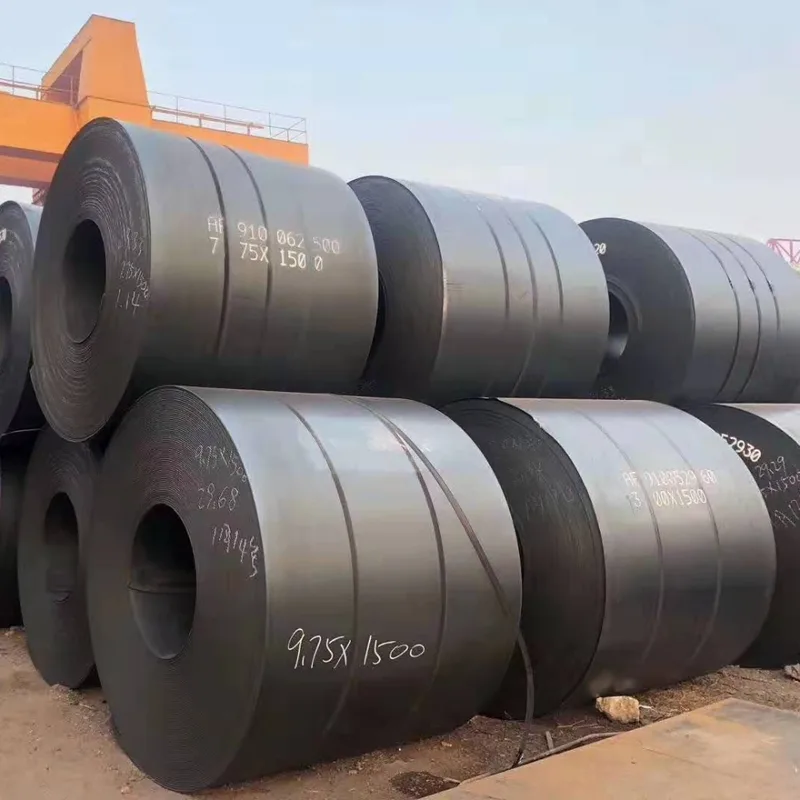
Carbon Steel Bar & Rod
Round, square, flat and hex carbon steel bar, hot rolled, cold drawn or peeled. We saw cut, chamfer and machine your bars on our in-house processing lines, then ship them from our own warehouses.

Round bar Ø12–100 mm as standard; hot rolled up to Ø400 mm
Cold drawn bar to ISO h9–h12; peeled bar Ø16–300 mm
SAE 1018, 1020, 1045, C45, S235JR and S355JR regularly supplied
Mill test certificate with every order; quotations in 2–4 working hours
Why Buy Carbon Steel Bar From MTS
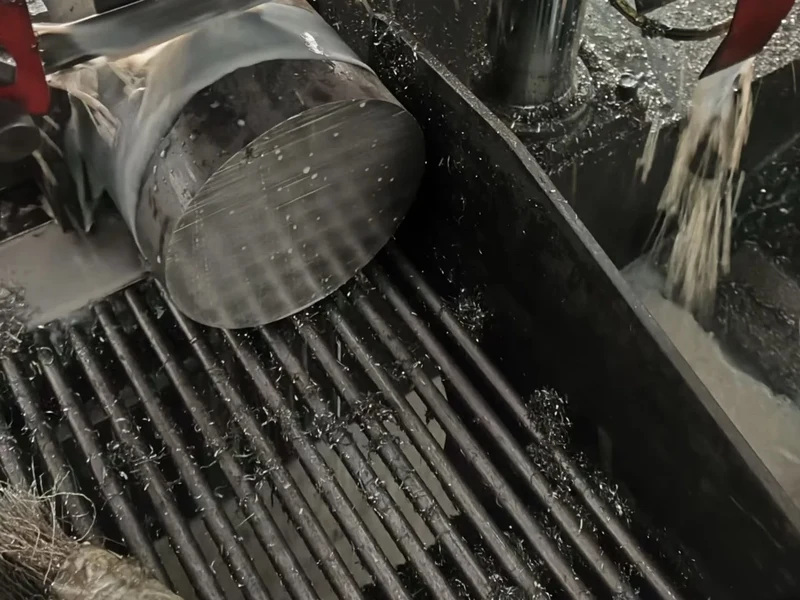
Cut and Machined Before It Ships
We saw cut bars to your length, then chamfer and face the ends. We also turn, mill, drill and grind parts up to Ø500 mm, to ±0.02 mm. You receive blanks ready for your machines, not random lengths.

Hot Rolled, Cold Drawn and Peeled From One Source
We supply hot rolled black bar, cold drawn bright bar and peeled bar. You can buy rough stock for forging and precision bar for turning on the same order.
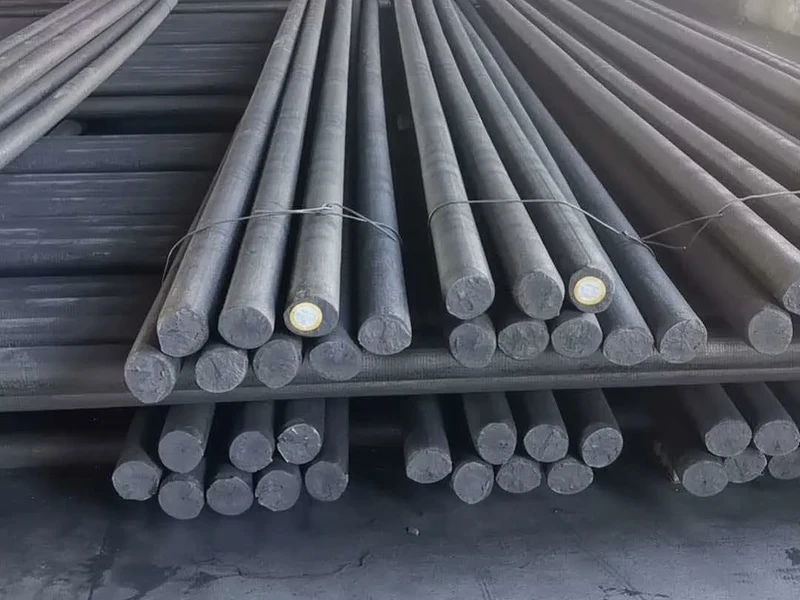
6,000 Tons of Bar Stock
We hold about 6,000 tons of carbon steel bar in our own warehouses. Bar stock changes every week, so contact us to confirm current sizes and grades.
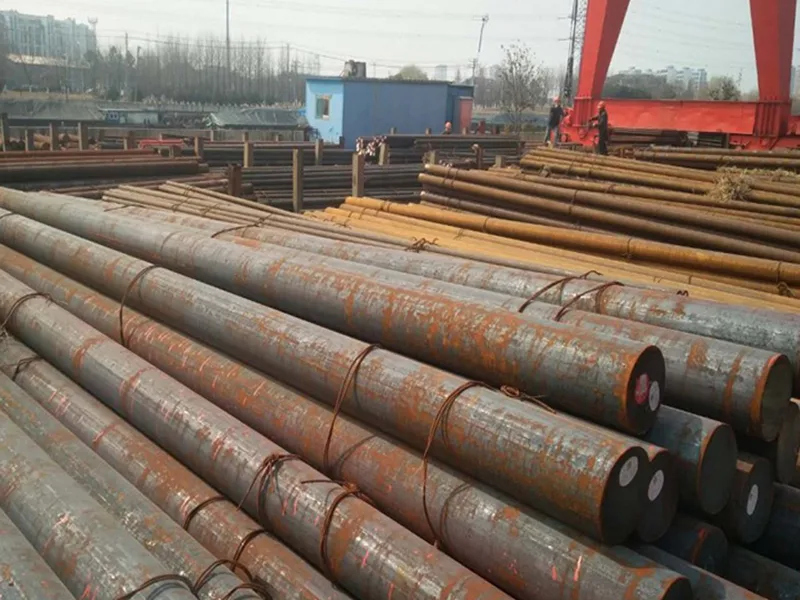
Heat Treatment Arranged for You
We supply 1045 and C45 bar quenched and tempered, normalized or annealed, and can induction harden it. For low carbon 1018 and 1020, we arrange carburizing. Hardness and case depth follow your drawing.
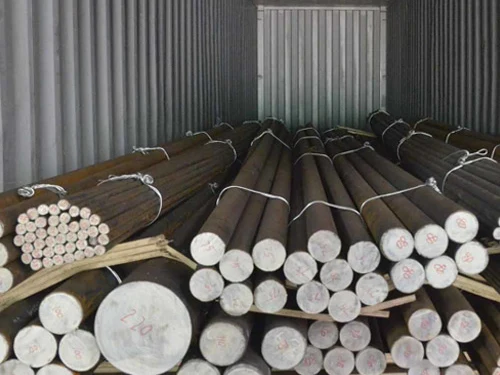
One Container, Many Sections
You can mix round, square, flat and hex bar in one container. Orders ship from Shanghai, Qingdao or Tianjin, and we photograph every container before it is sealed.
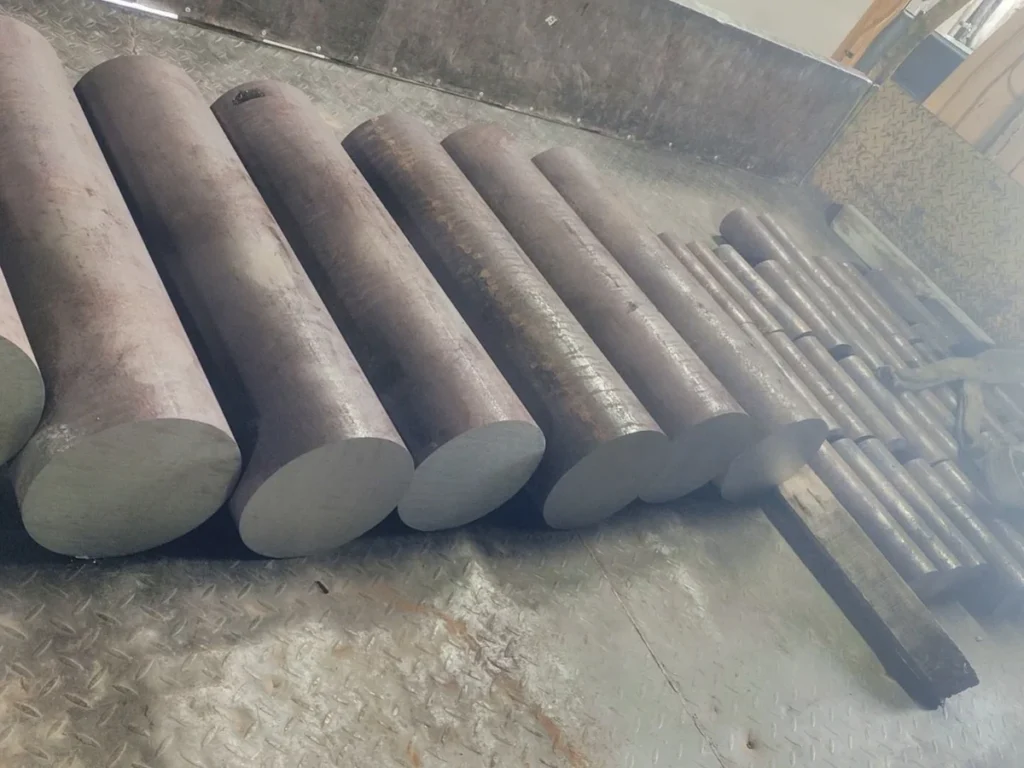
Steel Bars Bought by Section, Grade and Finish
A steel bar order is three choices. The section decides how much machining you skip. The grade decides strength and how the part welds or hardens. The finish decides tolerance and surface.
Get the three right and you buy the least steel and do the least work. Get one wrong and you pay twice: once for the bar, and again on your lathe.
Send us your drawing or the finished part size. We'll suggest a section, grade and finish, and cut the bar to the length that wastes least.
Request a QuoteCarbon Steel Bar by Section
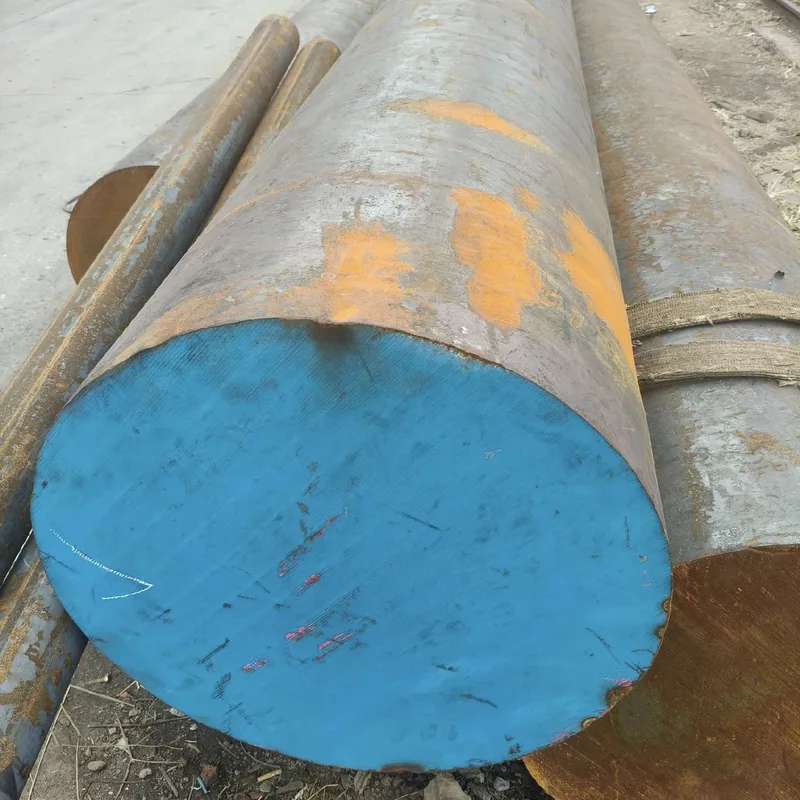
Carbon Steel Round Bar
The most common bar section, for shafts, pins, bolts and turned parts.
Request a Quote View Details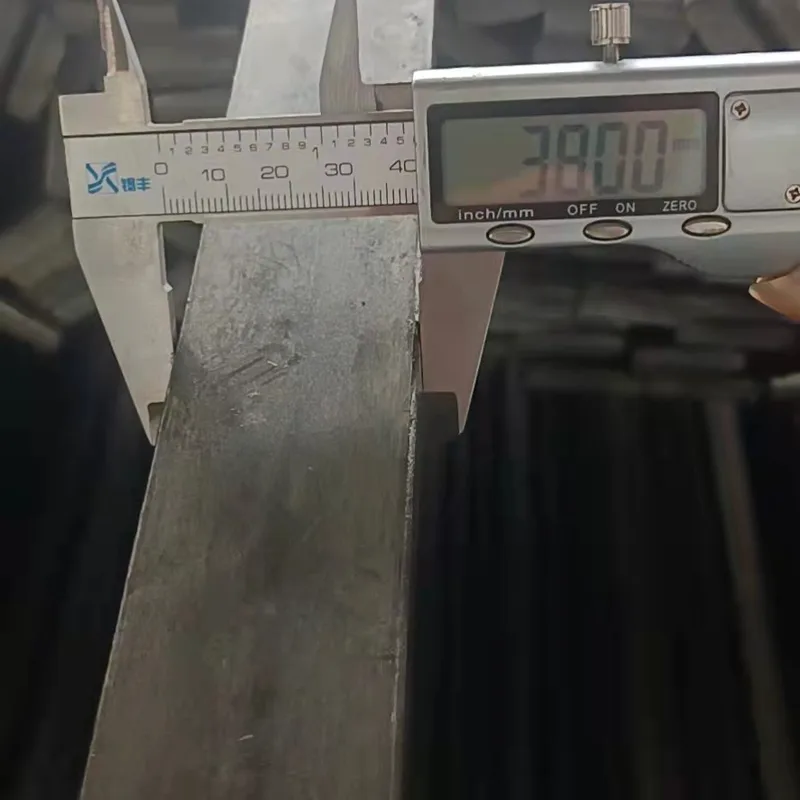
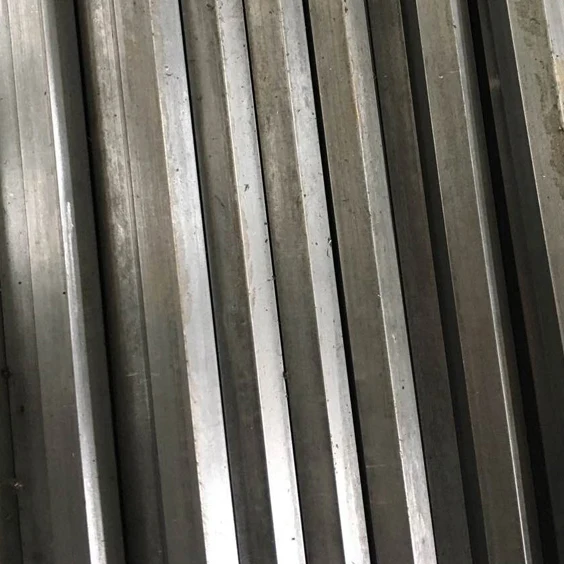
Steel Flat Bar
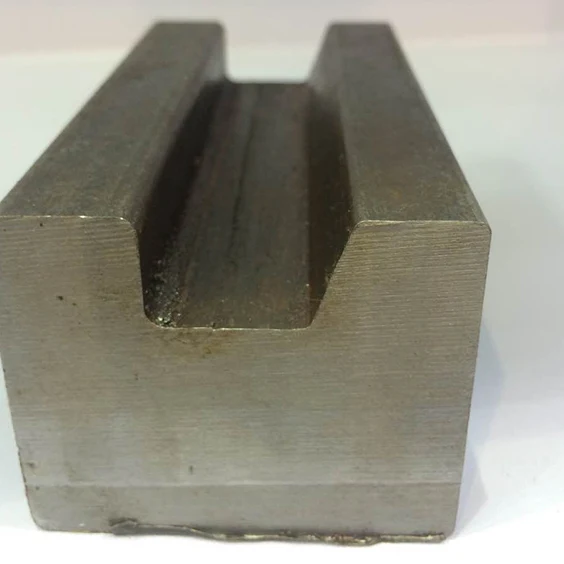
For frames, brackets, base plates and wear strips. We also make slotted and perforated flat bar to your drawing.
Request a Quote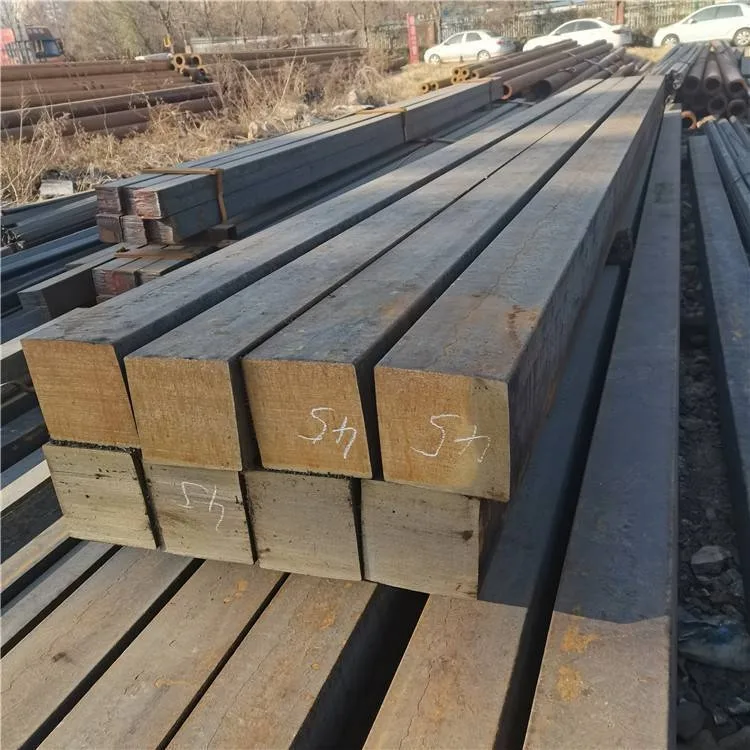
Carbon Steel Bar by Finish
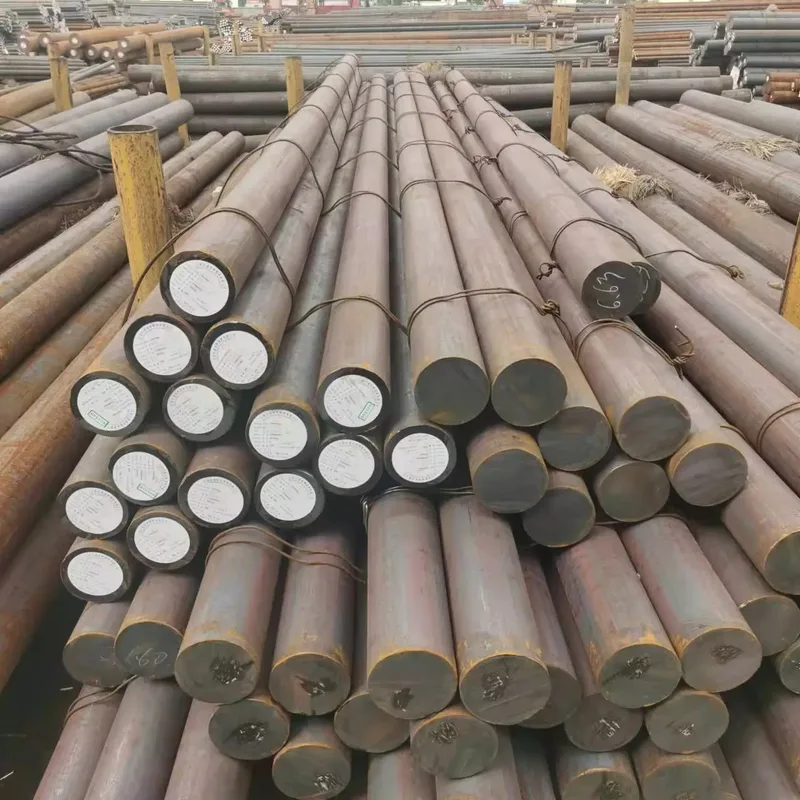
Hot Rolled Steel Bar
Black bar with mill scale, rolled to EN 10060, EN 10059 or EN 10058 tolerances. The economical choice for forging stock, structures and parts machined all over.
Request a Quote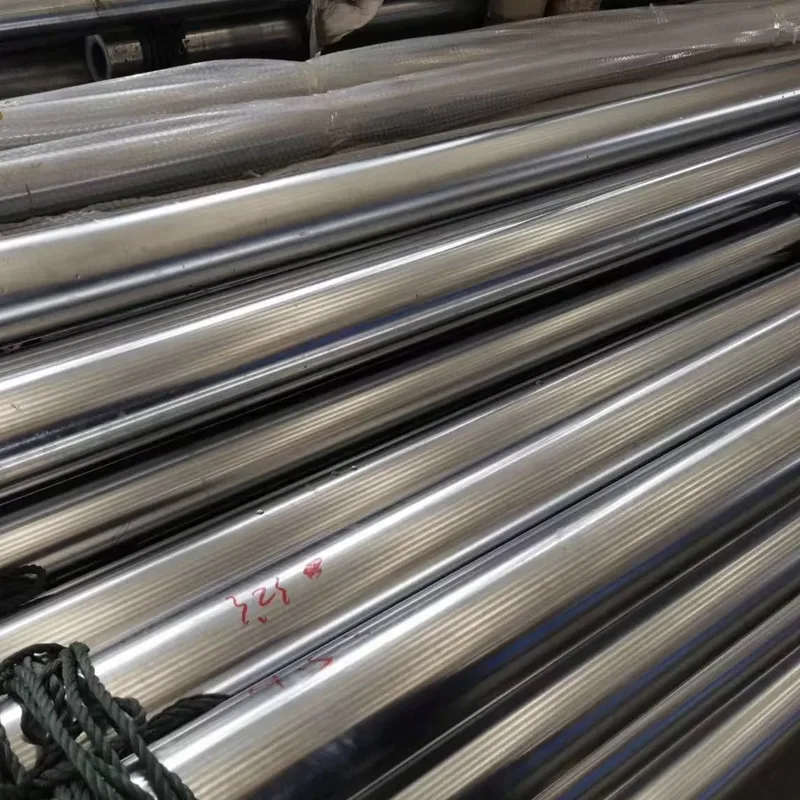
Bright Steel Bar
Cold drawn bar with a clean, bright surface, held to ISO h9–h12. Turn it on bar feeders with little or no stock removal. Peeled and ground bar are offered too.
Request a Quote View Details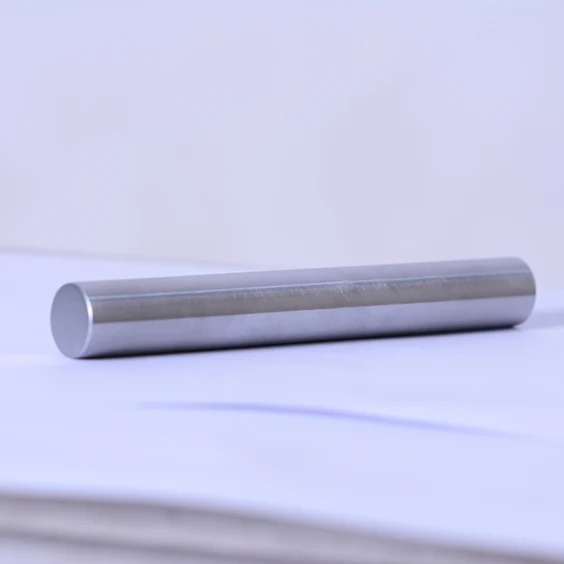
Chrome Plated Rod
Ground, hard chrome plated 1045, CK45 and C45 bar for hydraulic cylinders and guide shafts.
Request a QuoteCarbon Steel Bar by Grade

Low Carbon and Mild Steel Bar
SAE 1018, 1020 and S235JR. Low carbon steel bar welds, bends and machines easily, and costs least.
Request a Quote
Medium Carbon Bar: 1045, C45 and CK45
The workhorse grade for shafts, gears and pins. It hardens by quenching and tempering or induction hardening.
Request a Quote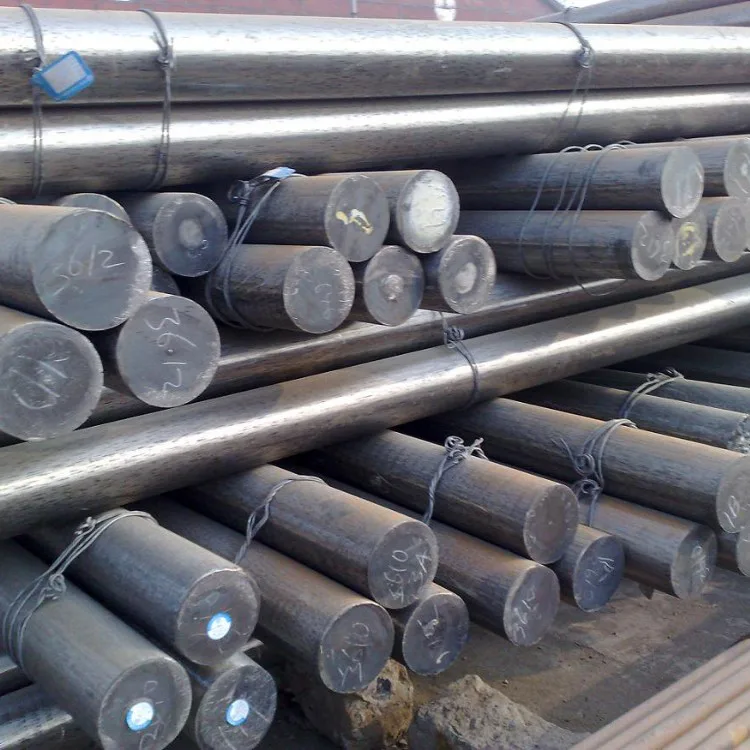
Structural Steel Bar
We regularly supply S355JR, with S355J2, ASTM A36 and A572 Gr. 50 on request. Structural steel bar goes into tie bars, anchor bars, brackets and welded frames.
Request a Quote
High Carbon Steel Bar
SAE 1050, 1060, 1070, 1095 and EN9 on request, for blades, springs and wear parts.
Request a Quote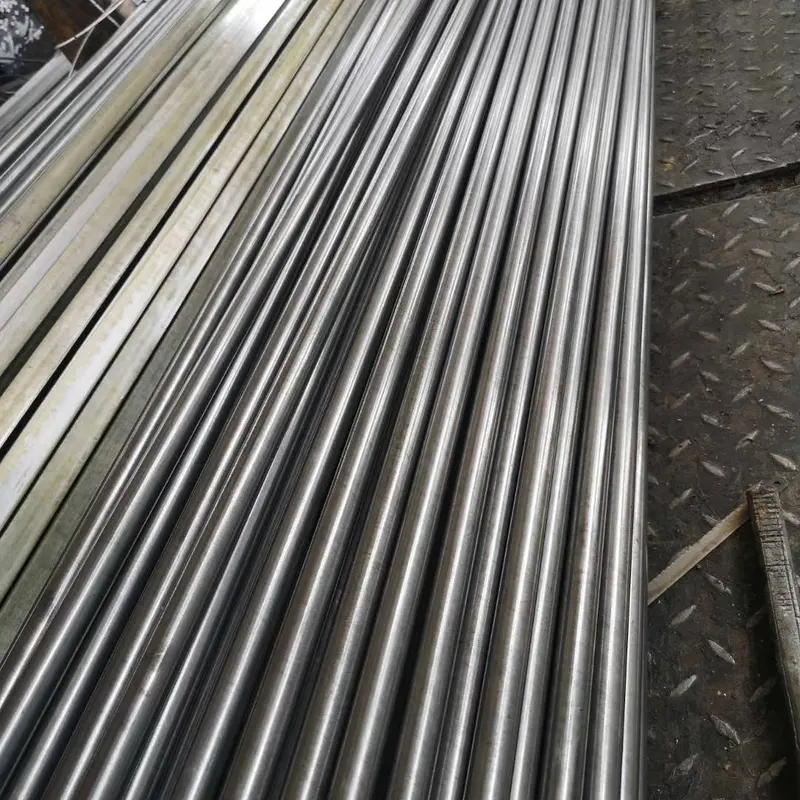
Free-Machining Steel Bar
SAE 12L14, 1215, 11SMn30 and 11SMnPb30 for automatic lathes, with 1117, 1144 and EN1A on request. Chips break short, so cycle times drop.
Request a QuoteAlloy Steel Bar
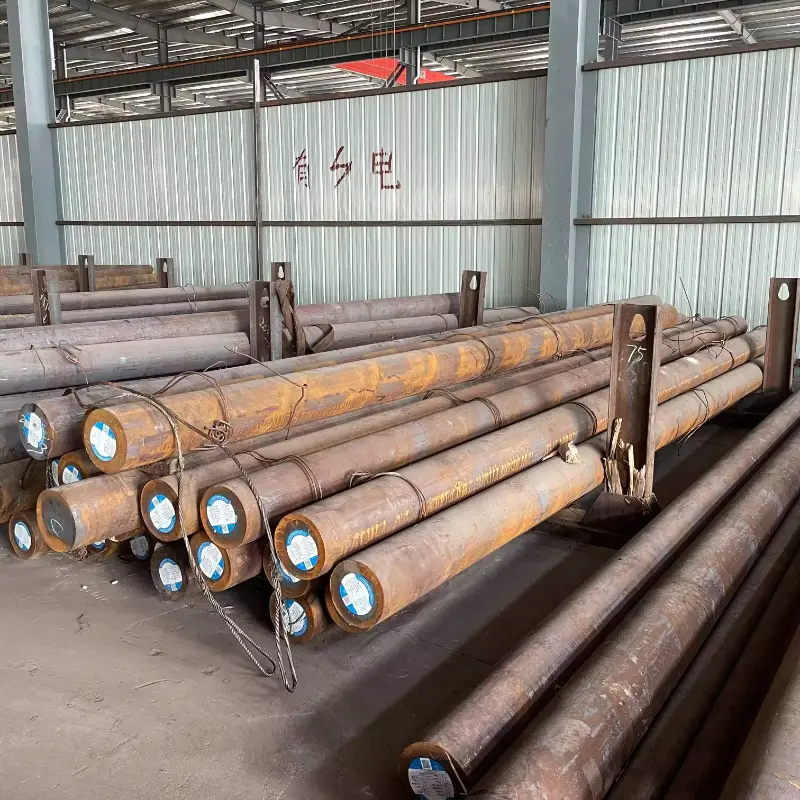
4140, 42CrMo4, 4340 and 4130 Bar
When carbon steel is not strong or tough enough, step up to alloy steel. Chromium, molybdenum and nickel let the bar harden deeper and carry more load.
Example: SAE 1045 cold drawn round bar, Ø40 mm h11, saw cut to 1,250 mm, ends chamfered.
Request a QuoteCarbon Steel Bar Specifications
Section
Standard sizes
Hot rolled
Cold drawn
Round bar
Ø12–100 mm
Ø6–400 mm
Ø3–120 mm
Peeled round bar
–
Ø16–300 mm
–
Square bar
10–100 mm
6–250 mm
3–150 mm
Flat bar
6–25 × 20–150 mm
3–60 × 10–200 mm
2–40 × 8–140 mm
Hex bar
10–50 mm A/F
8–70 mm A/F
4.5–90 mm A/F
Length
3,000 / 6,000 mm
3,000 / 6,000 / 9,000 / 12,000 mm
2,000–6,000 mm
Sizes outside the standard ranges need confirmation with us, and some are made to order. We cut flats wider or thicker than the hot rolled range from plate. We saw cut any bar to a fixed length.
How to Buy Carbon Steel Bar
Rolled Bar, Merchant Bar and SBQ
Rolled bar simply means bar formed by hot rolling. Most steel bars start this way. The trade then splits them into two families.
Merchant bars are general-purpose hot rolled rounds, squares and flats. They go into frames, gates, brackets and repairs. Tolerance and chemistry are standard, and price is the main point.
SBQ steel, or special bar quality, is bar made for forging, machining and heat treatment. Chemistry is tighter, the surface is cleaner and internal soundness matters. Buy SBQ for shafts and gears; buy merchant bar for fabrication.
Bar or Rod: Is There a Difference?
In practice, very little. Steel rod and steel bar are often used for the same product. Rod usually means a smaller round section, while bar covers every section and size. Metal rods sold for DIY are usually the same low carbon steel in short lengths.
When you send an enquiry, the name matters less than the section, size and grade.
Types of Steel Bars
Steel bars are grouped in three ways:
By section: round, square, flat and hex
By finish: hot rolled, cold drawn, peeled and ground
By grade: low, medium and high carbon, structural and free-machining
Rebar is a different product. It has ribs for gripping concrete and is sold to construction standards. This page covers plain, smooth bar for machining and fabrication.
Hot Rolled or Cold Drawn?
Choose by how much metal you will remove. If you turn the part all over, hot rolled bar is the cheaper start. Leave enough machining allowance to clear the scale and decarburized skin.
If the bar runs through a bar feeder with little turning, cold drawn bar pays off. It is straighter, closer to size and already bright. Peeled bar sits between the two: scale and surface defects are gone, in sizes cold drawing cannot reach.
Picking a Grade
Start with the lowest carbon that does the job. 1018 and 1020 machine and weld well and cost least. 1045 and C45 give more strength, and harden for shafts and pins. Free-machining grades such as 12L14 suit high-volume turned parts that are not welded.
Paying for 1045 when 1018 would carry the load is a common overspend. So is choosing a free-machining grade for a part you must weld. If the part needs more strength than 1045 can give, look at 4140 or 42CrMo4.
Standards: ASTM A29, A108 and A576
ASTM A29 / A29M sets the general requirements for hot worked carbon and alloy bar. ASTM A576 covers hot rolled special quality carbon bar. ASTM A108 covers cold finished carbon bar. In Europe, EN 10060, 10059 and 10058 set hot rolled sizes and tolerances. EN 10278 covers bright bar.
Name the standard on your enquiry. It fixes the chemistry range, tolerance and test reports you will receive.
Steel Rod Diameter and Sizes
Sizes are metric. Common steel rod diameters run from Ø12 to Ø100 mm. Popular sizes include 12 mm, 16 mm, 20 mm and 25 mm rod. Smaller sizes such as 6 mm, 8 mm and 10 mm are usually cold drawn.
If you work in inches, give us the inch size. 1/2 inch, 3/4 inch and 1 inch steel rod are routine requests. Where we can, we cold draw or grind the bar to the exact inch size. If not, we recommend the closest metric size and supply it once you approve.
What Moves Steel Bar Price
Steel bar price starts with the grade and the section. Then these factors are added:
Finish: cold drawn, peeled and ground bar cost more than hot rolled
Tolerance: h9 costs more than h11 or h12
Size: very small and very large sections cost more per ton
Heat treatment: Q&T, normalizing and hardening add cost
Cutting: fixed lengths and many short pieces add sawing time
Compare quotes on the same grade, finish and tolerance. A cheaper hot rolled bar can cost more once you add the turning.
Frequently Asked Questions
What are the types of steel bars?
Steel bars are sorted by section, finish and grade. Sections are round, square, flat and hex. Finishes are hot rolled, cold drawn, peeled and ground. Grades run from low carbon 1018 to medium carbon 1045 and high carbon 1095.
What is the difference between a steel bar and a steel rod?
Very little in trade use. Rod usually means a smaller round section, and bar covers all sections and sizes. Ask by section, size and grade, and you'll get the right product either way.
Which carbon steel bar grades do you keep in stock?
We regularly supply SAE 1018, 1020, 1045, C45, S235JR and S355JR. Stock changes constantly, so please check with us for current sizes. Grades such as 1040, 1095, EN8 and A36 are supplied on request.
Can you cut steel bar to length?
Yes. We saw cut bars to fixed lengths, and chamfer and face the ends on request. Send the length, tolerance and number of pieces. We can also turn or mill blanks to your drawing.
Can steel rod be bent?
Yes. Low carbon steel rod such as 1018 or S235JR bends cold well. Medium and high carbon bar should be bent hot, or annealed first, to avoid cracking. Keep the bend radius at least the bar diameter for cold bends.
What affects steel rod price?
Grade, section, finish, tolerance, heat treatment and cutting all move the price. For a current price per ton, send your bar list. Expect a reply within 2–4 working hours.